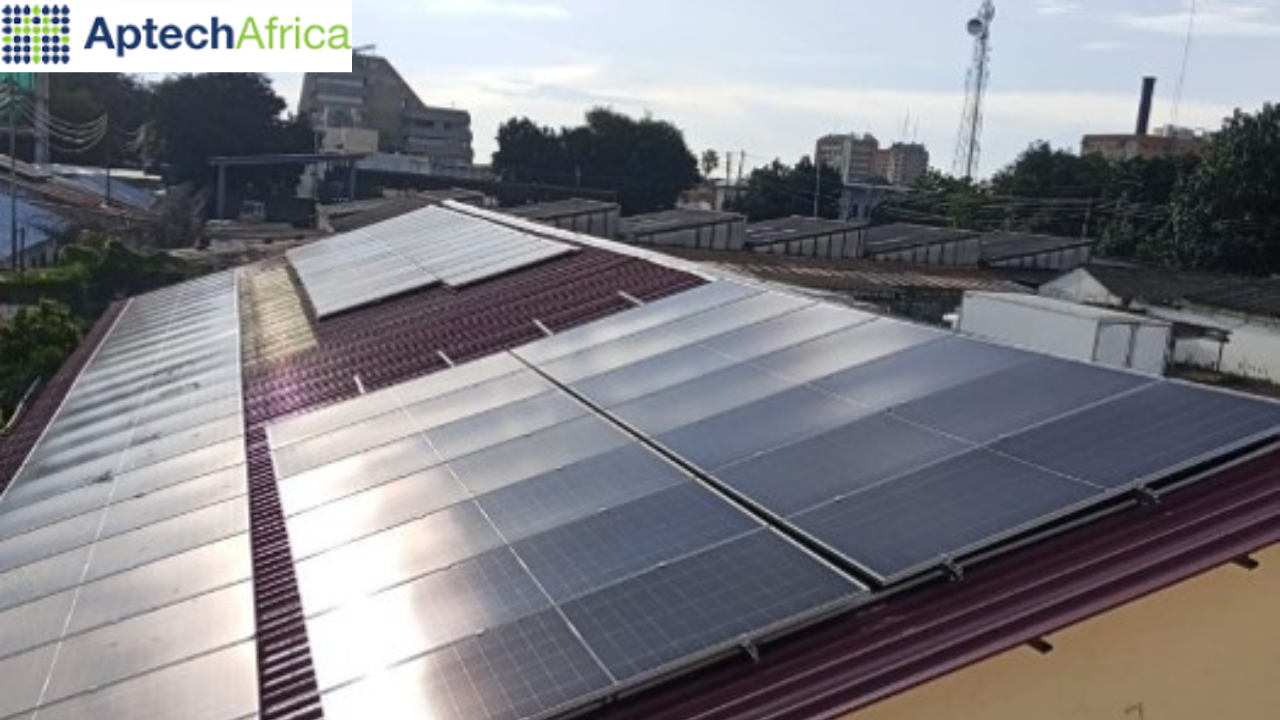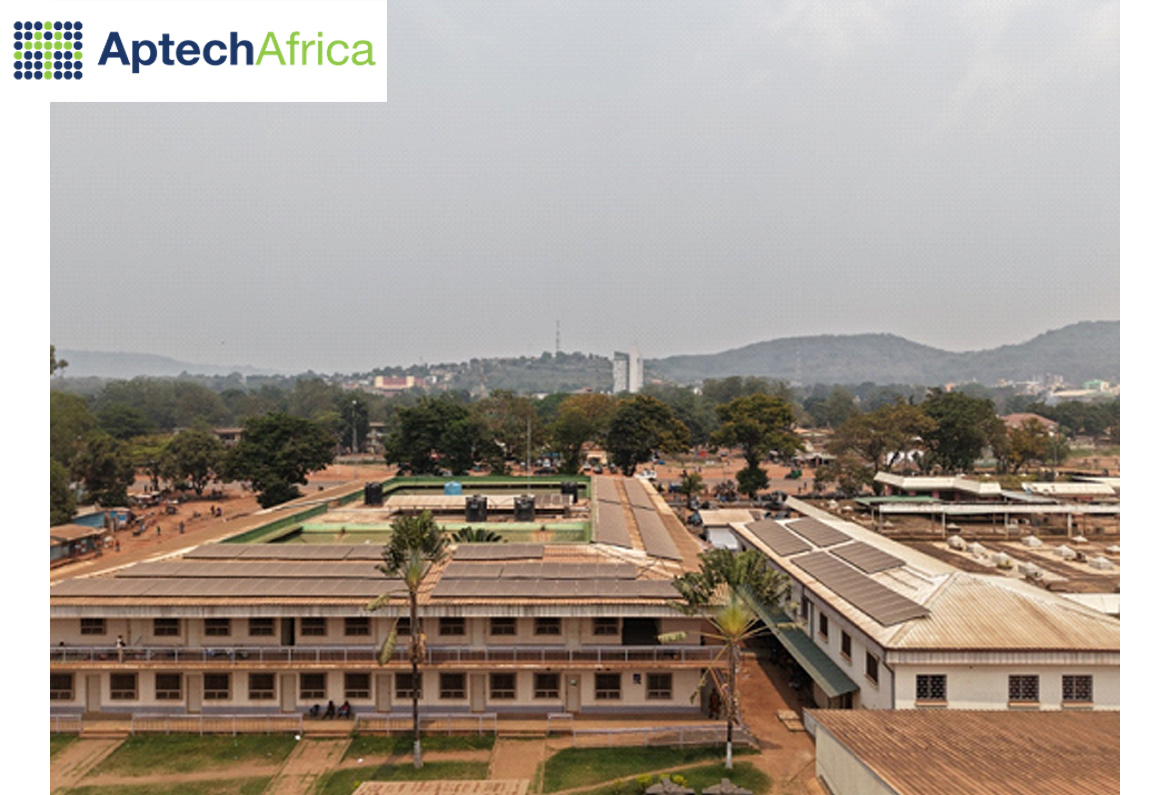
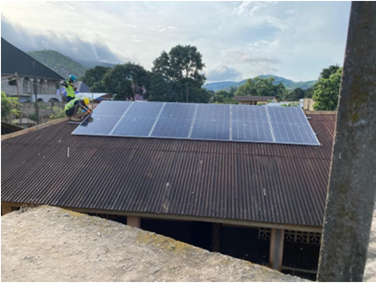
Across the Western Area (Urban and Rural) of Freetown spanning Central I & II, East I–III, West I–III, Koya Rural, Waterloo Rural, and Mountain Rural, Aptech Africa installed standalone solar PV systems at 69 schools (one per site) and is currently maintaining the installed systems. In this hybrid off-grid design, solar generation powers lights and devices directly during the day and charges the batteries at night or on cloudy days the batteries supply uninterrupted power without any grid connection. Together these components ensure each school’s administrative area has reliable electricity for lights, computers, Wi-Fi routers, and printers, enabling internet access and a functional office even where the utility grid is absent.
Implementation Challenges and Solutions
During the rollout of 69 schools, several challenges arose:
- Remote Site Access: Many rural schools (especially in Western Area Rural and Mountain Rural) are on poor dirt roads. Crews needed 4×4 vehicles and local guidance to reach them. Installation schedules were clustered by area so that teams could install at multiple nearby schools in one trip. In some cases, materials were pre-staged at larger hubs to avoid repeated long hauls.
- Weather Interruptions: Sierra Leone has intense rainy seasons (generally May–November). Heavy rains occasionally halted rooftop work or wiring. Crews planned critical tasks (panel mounting, wiring runs) during drier forecasts and used tarps or temporary shelters when short showers came. Flexible scheduling and allowing extra days per site ensured rain delays did not derail the overall timeline.
Despite these obstacles, all 69 systems were completed. Project management emphasized communication and adaptability.
Educational and Social Impacts
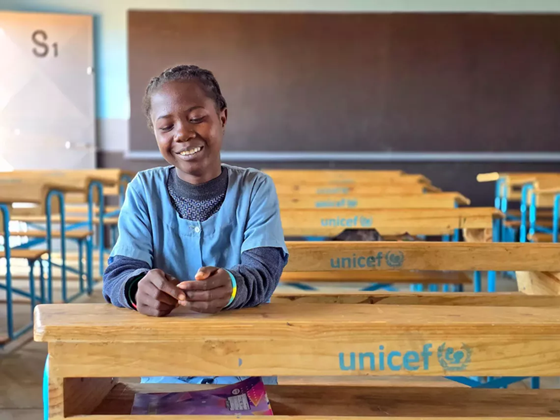
Enhanced Learning Environments: Reliable electricity significantly enriches school functions. Solar power provides continuous lighting in the principals’ offices and classrooms, extending usable hours for administrative work and study. It also powers internet routers and computers, enabling access to online educational content. Overall, the solar systems bring technology into rural schools and “make education more flexible and accessible by powering the technology and infrastructure needed for digital learning”.
- Internet & Device Connectivity: With off-grid solar, each school can keep its internet equipment and routers running independently. This bridges the digital divide: GIGA research shows that lack of power is a major barrier to rural school connectivity. By ensuring continuous electricity, our project enables 69 schools to maintain internet access for students and staff. In addition, solar charging stations can power laptops, phones and printers. (International examples highlight that community solar hubs often include device charging as a key service.)
- Administrative Efficiency: Principals and teachers can now run office equipment – from printers and projectors to fans and phones – without worrying about erratic supply or expensive fuel. This improves administrative efficiency and data management at schools. Consistent lighting in offices also improves security and record-keeping.
- Cost Savings: By displacing costly diesel generators and unreliable grid connections, the schools cut their energy bills dramatically. Studies of US schools and districts show that solar PV typically reduces electricity costs by 20–50%, freeing up budget for education. In Sierra Leone’s case, the savings means less spending on generator fuel and more funds available for books, repairs or staff training. (Some schools can even sell excess power back to nearby buildings on the rare occasions they produce a surplus.)
- Environmental Benefits: Switching from diesel/gasoline generators to clean solar energy cuts carbon emissions and pollution. The UNICEF case in Eritrea specifically noted that solarizing schools reduced each school’s carbon footprint while powering computers for learning. Likewise, our schools will avoid hundreds of tons of CO₂ over the systems’ lifetimes. This demonstrates renewable energy in action for the community.
- Community Development: Reliable school power boosts confidence in public education. Parents and children see that schools have functioning lights and technology, which can increase enrollment and attendance. For example, UNICEF reports that adding solar-powered facilities, like lit latrines, in rural schools boosted attendance among girls. Improved school services often make education more attractive, especially in areas where electricity was previously scarce.
In summary, powering schools with solar PV has immediate and lasting benefits. Schools gain “improved learning environments” and access to digital tools, while also contributing to climate goals. This Freetown project demonstrates that renewable energy can reliably power education and administration in off-grid areas. It provides a blueprint for expanding solar-powered, internet-enabled schools throughout Sierra Leone lighting up classrooms and students’ futures in the process.