Bringing Reliable Power Where It Matters Most
Healthcare never stops. Babies are born at night. Emergencies happen without warning. Vaccines must remain cold every hour of every day. Recognizing the importance of dependable electricity, Aptech Africa designed and installed 13 solar energy systems capable of delivering uninterrupted power to vaccination centres spread across Uganda.
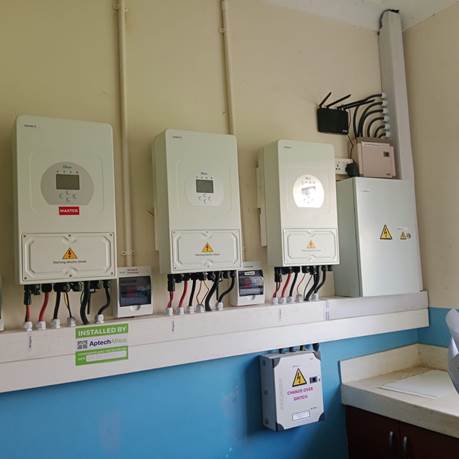
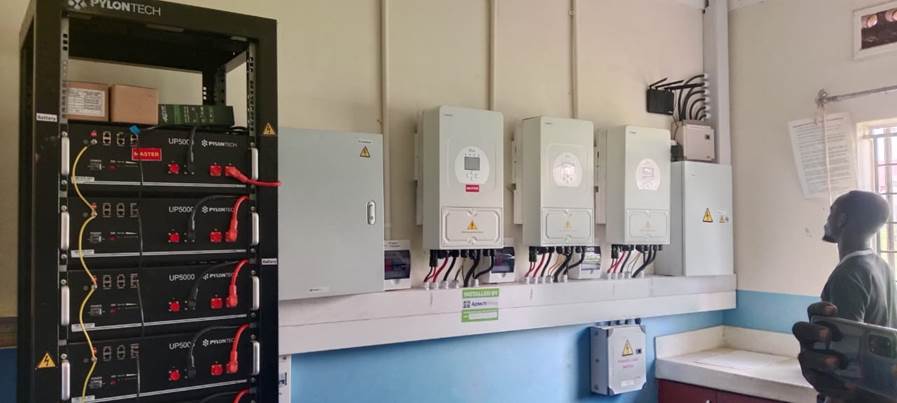
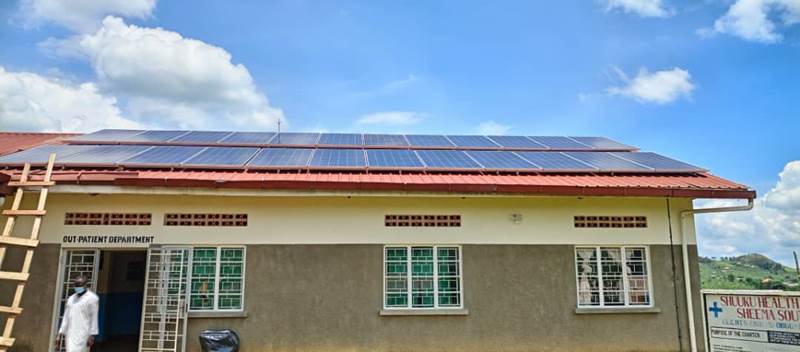
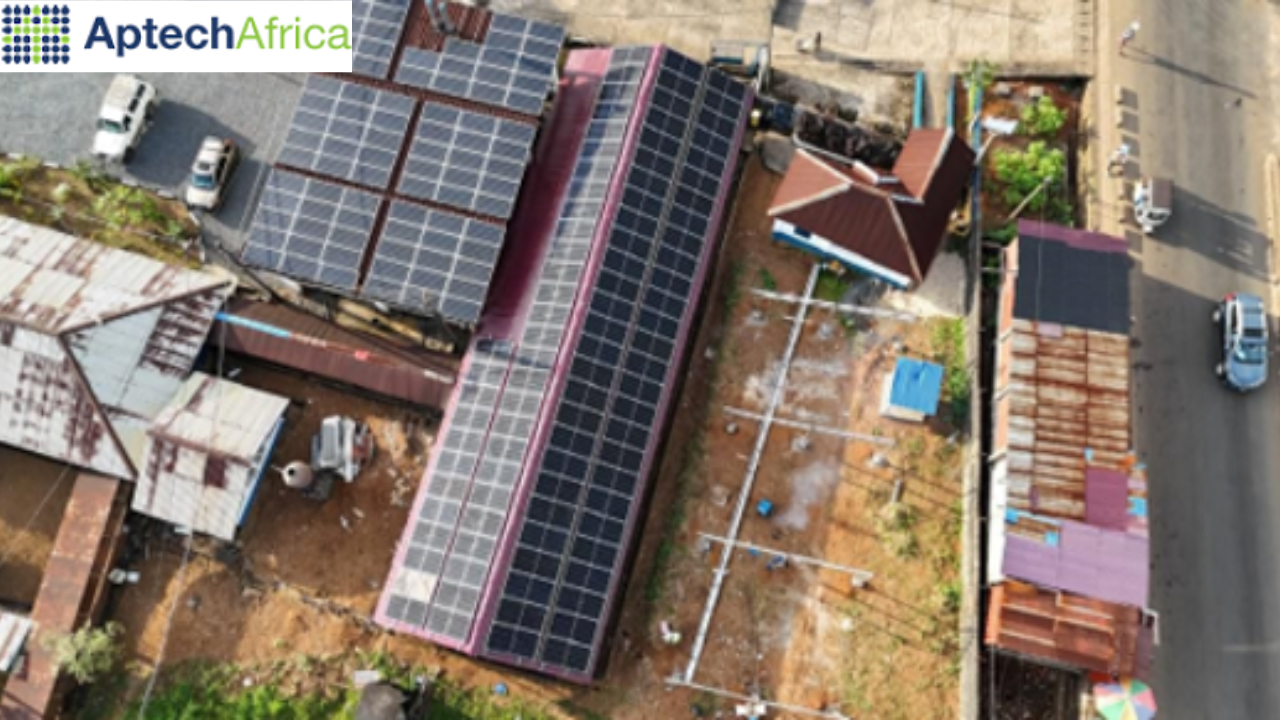
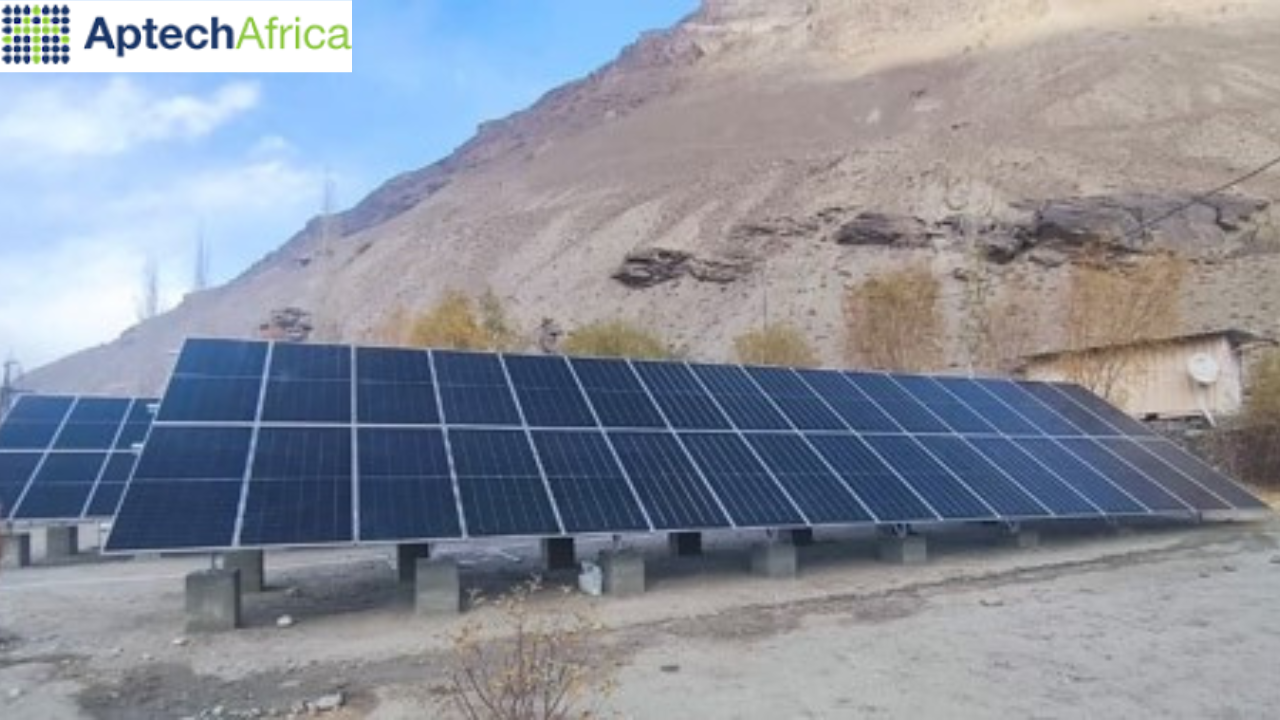
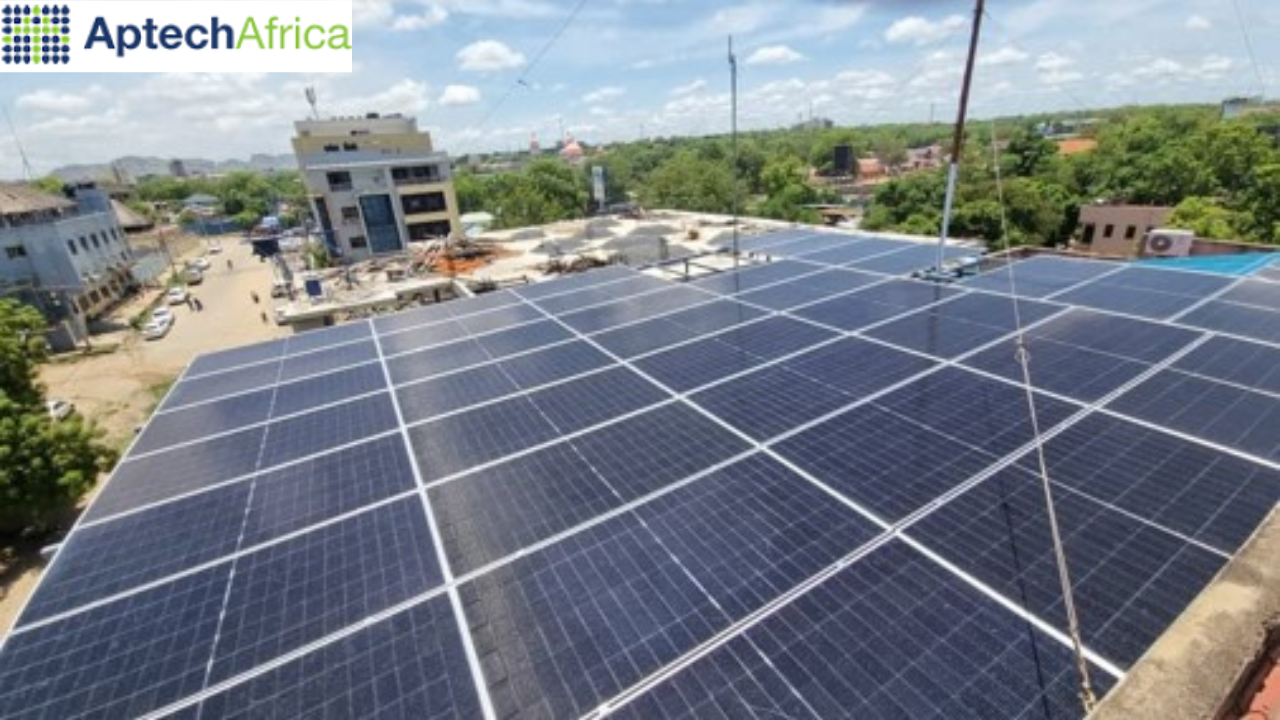
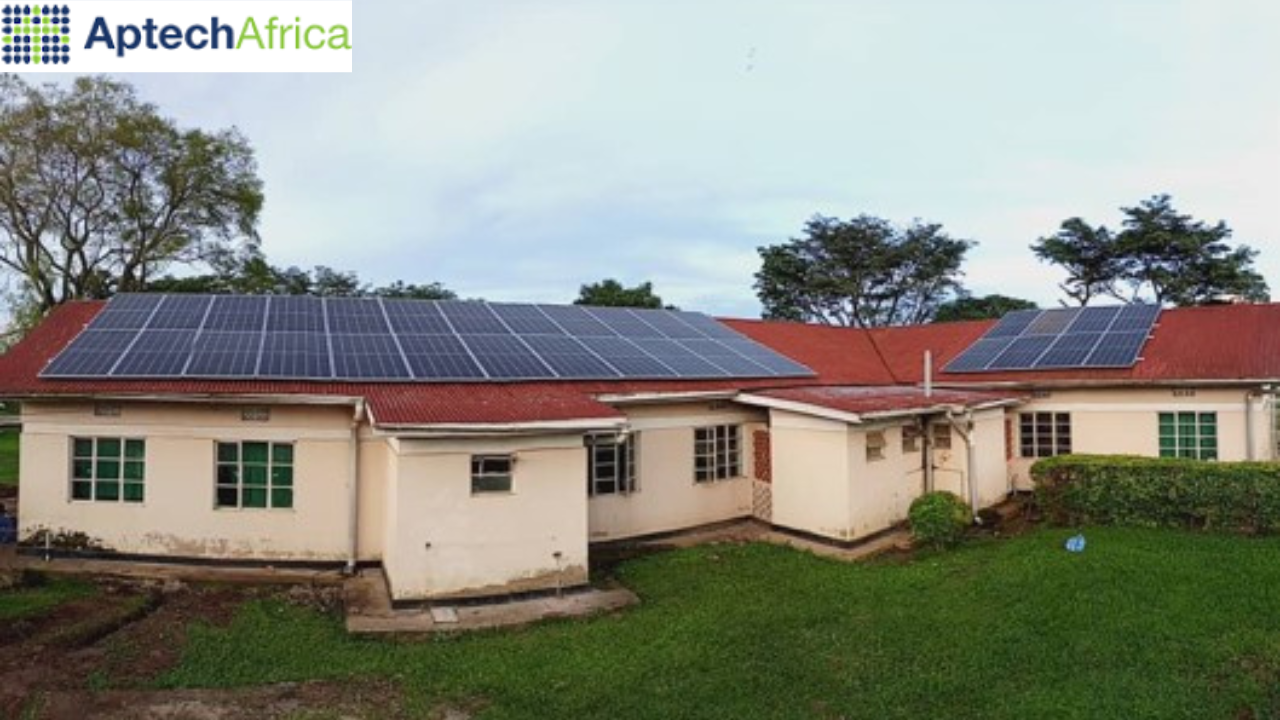
Twelve health facilities received 12.96 kWp roof-mounted solar systems, while one facility was equipped with an 8.64 kWp ground-mounted system, carefully designed to suit the available land and surrounding environment. Each of the larger systems includes 33.6 kWh of battery storage, while the ground-mounted installation is supported by a 22.8 kWh battery bank. These batteries ensure that electricity remains available even after sunset, during cloudy weather, or whenever the national grid experiences interruptions. Using the Deye Solarman Monitoring Portal, Aptech Africa can continuously monitor the performance of each installation in real time to track solar energy production, electricity consumption, battery State of Charge (SOC), historical energy trends, equipment performance, and automatic alerts whenever a fault occurs.
Rather than relying on a single source of energy, every installation was designed as a hybrid system, capable of switching between solar power, the national grid, and hydropower where available. This approach guarantees a reliable and continuous power supply while maximizing the use of renewable energy.
The installations will benefit the vaccination centres located in: Mparo, Kamwezi, Nyabirongo, Shuuku, Omugo, Rhino Camp, Aboke, Aduku, Kalaki, Nabilatuk, Karenga. The benefits of reliable electricity extend well beyond vaccine storage. Doctors, nurses and laboratory technicians now have dependable power to operate medical equipment, laboratory instruments, computers, communication systems and lighting whenever patients need care. Expectant mothers arriving during the night can receive treatment in well-lit maternity wards, Laboratory tests can continue without interruption, Emergency patients can receive immediate attention, Medical records can be accessed more efficiently and Healthcare professionals can focus entirely on saving lives rather than worrying about whether the electricity will remain on.
Reliable healthcare should not come at the expense of rising operational costs. Before these installations, many facilities depended on diesel generators whenever grid power failed. Fuel costs, frequent maintenance and equipment breakdowns placed additional financial strain on already limited healthcare budgets. The new hybrid solar systems reduce generator usage by prioritizing clean solar energy throughout the day. Lower fuel consumption means lower operating costs and reduced generator operation means lower maintenance expenses hence lower electricity bills allow healthcare resources to be redirected toward medicines, medical equipment and improved patient care.
Delivering reliable electricity to healthcare facilities across multiple regions requires more than technical expertise. It demands careful planning, quality engineering and a deep understanding of how energy supports critical public services which was exceptionally executed by the dedicated team of Engineers, project managers and Technicians at Aptech Africa.