Access to reliable lighting is an essential part of creating safer, more accessible and resilient communities. In regions affected by displacement and insecurity, adequate public lighting becomes particularly important, helping communities navigate their surroundings, access essential services and carry out daily activities with greater confidence, especially after sunset.
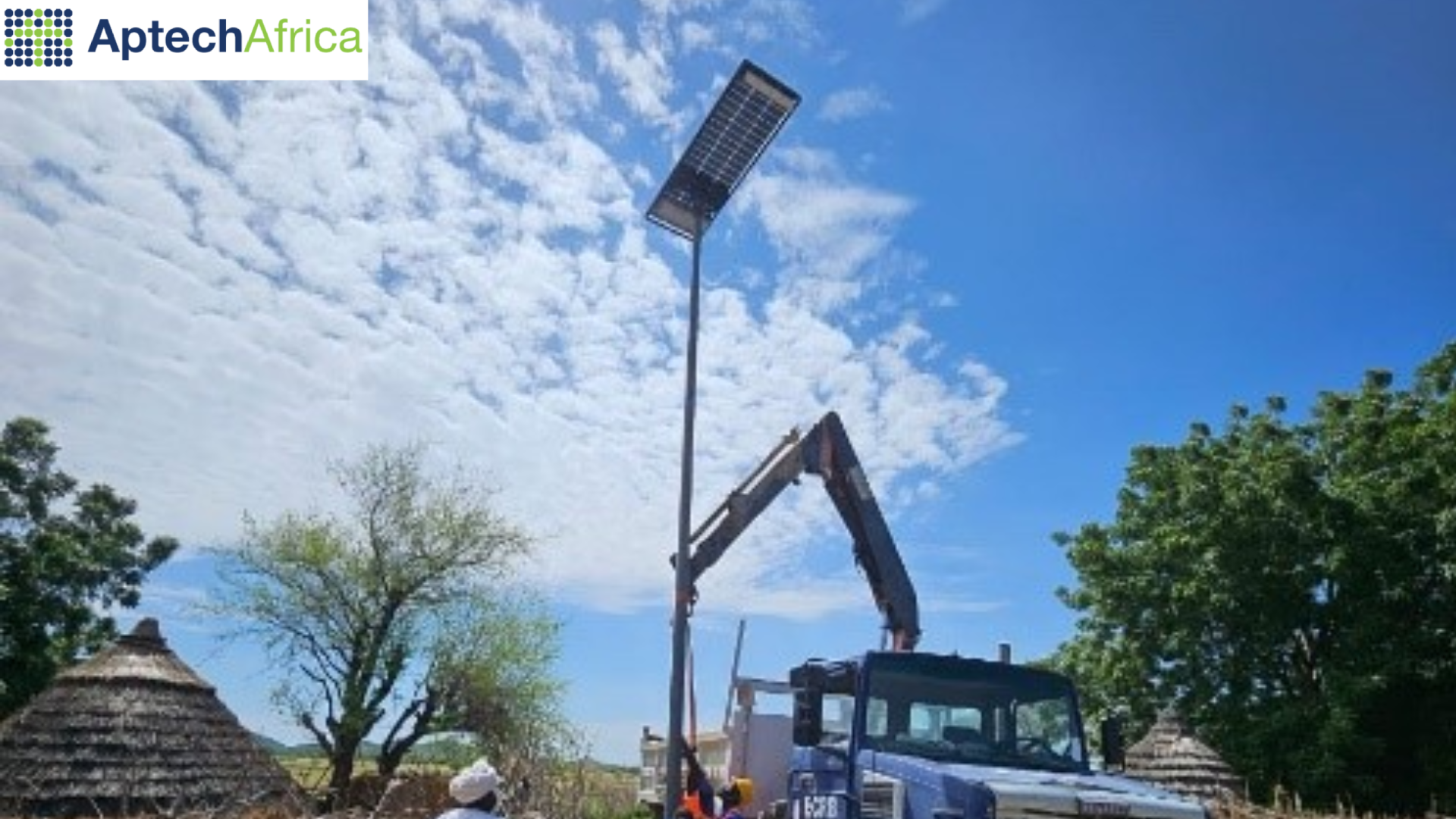
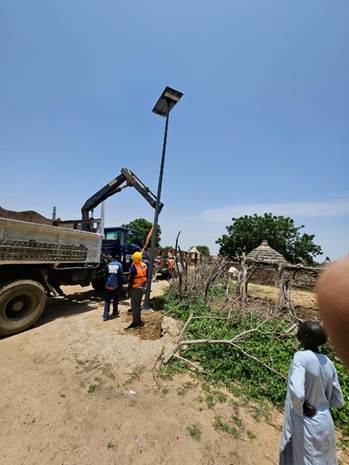
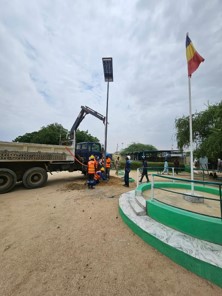
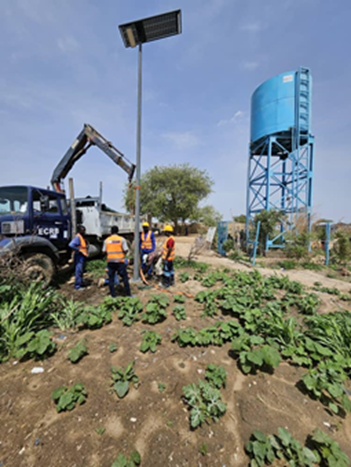
Aptech Africa successfully undertook the assessment, design, supply, installation, commissioning and testing of 150 standalone solar-powered LED streetlights in Chad. The project is aimed at supporting vulnerable communities, particularly refugees who have fled Sudan across the border into Chad, as well as local citizens in need of enhanced security and protection.
Chad continues to experience the effects of regional instability, including cross-border tensions and internal displacement. The arrival of refugees fleeing the conflict in neighboring Sudan has placed additional pressure on host communities and available infrastructure, particularly in areas where humanitarian needs are already significant. For displaced families and vulnerable host communities, the challenges extend beyond access to shelter, food and basic services. The absence of adequate outdoor lighting can make movement after dark difficult, limit access to communal spaces and increase feelings of insecurity.
Aptech Africa undertook the complete project lifecycle, beginning with an assessment of the intended installation locations to understand the lighting requirements and site conditions. This informed the design and deployment of standalone solar-powered LED streetlighting solutions suited to the project environment. The standalone solar configuration provides an independent source of lighting, reducing reliance on conventional grid electricity and supporting access to lighting in locations where grid connectivity may be limited or unreliable.
Women, children, older persons and other vulnerable members of the community can face particular challenges when moving through poorly illuminated environments. Better lighting can help make shared spaces more accessible and support safer movement, although lighting remains one component of broader community protection measures. Humanitarian interventions that benefit both displaced populations and local residents can contribute to more inclusive community development. By extending lighting infrastructure to areas serving both groups, the project supports shared benefits and helps address some of the infrastructure pressures experienced by host communities.
For solar infrastructure to deliver lasting benefits, the ability to operate and manage the installed systems is just as important as the installation itself. As part of the project, Aptech Africa conducted training for end-users to strengthen their understanding of the installed streetlighting solutions. This component supports local capacity building by equipping designated users with practical knowledge of system operation and management. By incorporating training into the project scope, Aptech Africa seeks to encourage responsible use of the infrastructure and support its continued functionality beyond the installation and commissioning phase