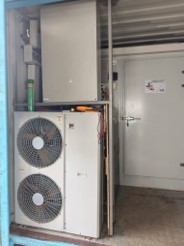
Aptech Africa delivered a solar photovoltaic (PV)–battery hybrid energy system to power a prefabricated insulated container cold room in Robertsport, Liberia. The installation combines solar generation, lithium battery storage, national grid backup, and provision for a backup generator to support the cold room’s refrigeration requirements. Designed to improve the reliability of cold storage while making productive use of renewable energy, the system serves the wider Robertsport fishing community, including fishermen, fish processors, traders, and their households.
Fish is highly perishable and requires appropriate temperature-controlled storage to maintain its quality and safety. For a cold room serving a fishing community, the energy system must do more than generate electricity during daylight hours. It must also provide dependable power when solar production falls, respond to changing refrigeration demand, and accommodate interruptions or fluctuations in the electricity supply. Reliable electricity is essential for preserving fish, reducing post-harvest losses, and supporting the livelihoods of fishing communities. In coastal communities where access to dependable power can be challenging, interruptions in electricity supply can compromise cold storage, reduce the quality of fish, and place additional financial pressure on fishermen, processors, and traders.
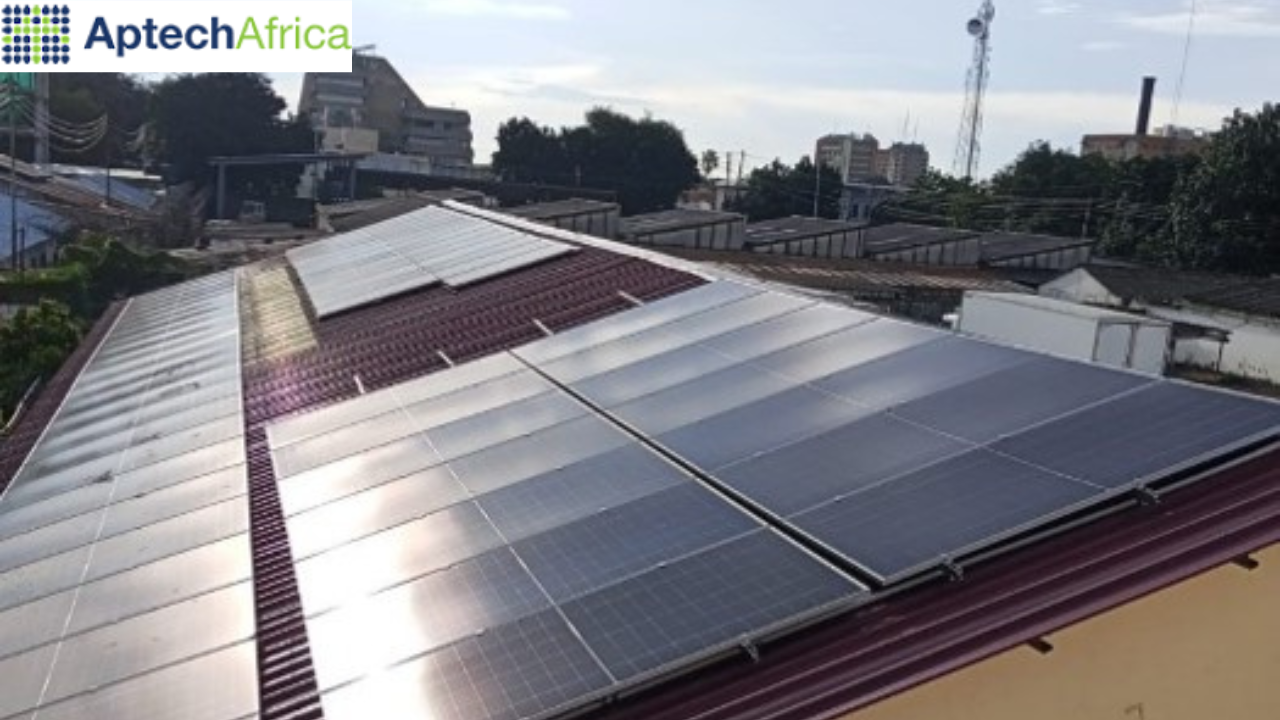
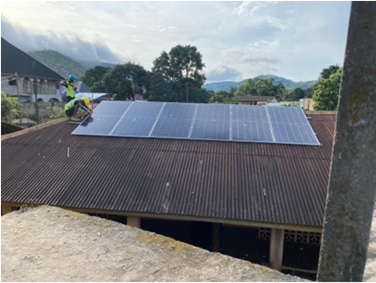
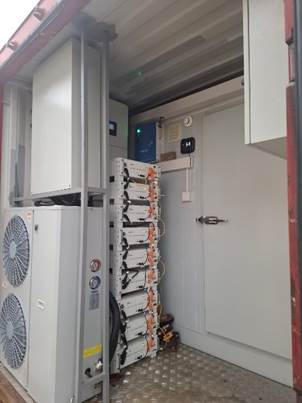
The installation comprised of 13.53 kWp, comprising 22 Jinko solar modules rated at 615 Wp each, a 15 kW Deye three-phase hybrid inverter. The total battery bank storage was 46.08 kWh of lithium battery storage, comprising nine Deye batteries rated at 5.12 kWh each, arranged in three parallel banks. The installation works alongside a Three-phase national grid supply from Liberia Electricity Corporation (LEC). A 20-kVA automatic voltage regulator (AVR) was also installed to stabilize the grid supply and an input provision for integration of a backup generator was also included. A remote monitoring of energy generation, storage, consumption, system status, and fault alarms was installed.
A functioning cold room provides a place where fish can be stored under appropriate refrigerated conditions while awaiting processing, transportation, or sale. The intended benefit is to reduce the risk of spoilage and preserve more of the value of the catch. The actual reduction in post-harvest losses will depend on cold room capacity, temperature management, handling practices, utilization, and operating performance over time.
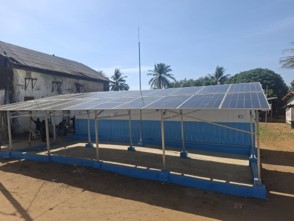
For fishermen, the value of a catch depends not only on the quantity landed but also on the condition in which the fish reaches the buyer. Access to cold storage can give fishermen greater flexibility in managing their catch after landing. Instead of being entirely dependent on immediate sales, they may have more opportunities to preserve fish while arranging collection, transportation, or sale, subject to the facility’s storage arrangements and fees. Processors need fish to remain in suitable condition before it is prepared, while traders need to protect the quality of their stock as it moves through the supply chain. A cold room supported by a more resilient energy system can help both groups manage their products more effectively.
Beyond installing the equipment, Aptech Africa provided extended technical support after handover, helped optimize system performance, and trained 11 local operators in system operation and maintenance. These activities were intended to ensure that the installation could deliver dependable service and remain useful to the community over the long term. Developing local operational capacity can reduce dependence on external support for routine checks, improve the identification of potential problems, and encourage a stronger sense of local responsibility for the facility.