Background: Buin is a remote town on Bougainville Island where reliable grid power was almost non‑existent. Until late 2025, most local homes, businesses and clinics ran on diesel generators, facing frequent outages and high fuel costs. In fact, only about 3% of Bougainville’s population had reliable electricity (compared to ~20% nationally), underscoring the urgent need for sustainable power. Aptech Africa partnered with the Autonomous Bougainville Government to install a 1 MW hybrid solar-plus-storage microgrid in Buin.

System Design & Components: The Buin installation combines utility‑scale PV panels with large-scale battery storage and grid interface equipment. Key components include:
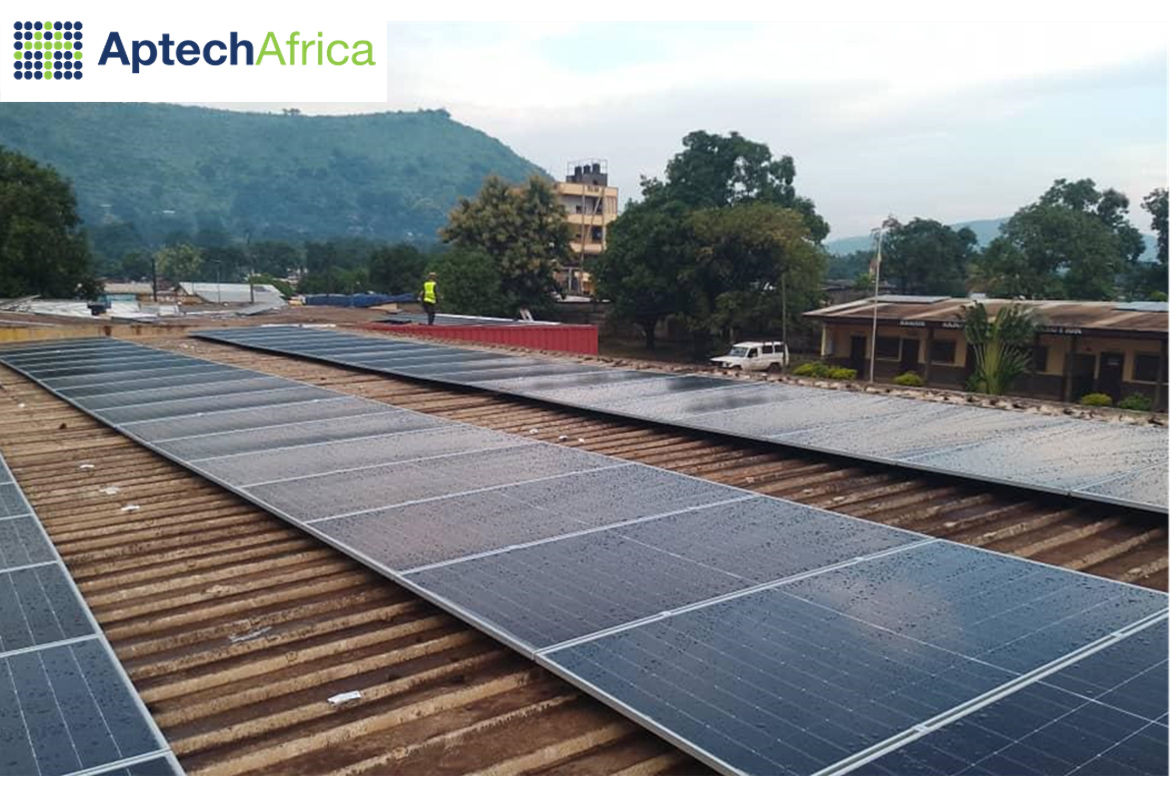
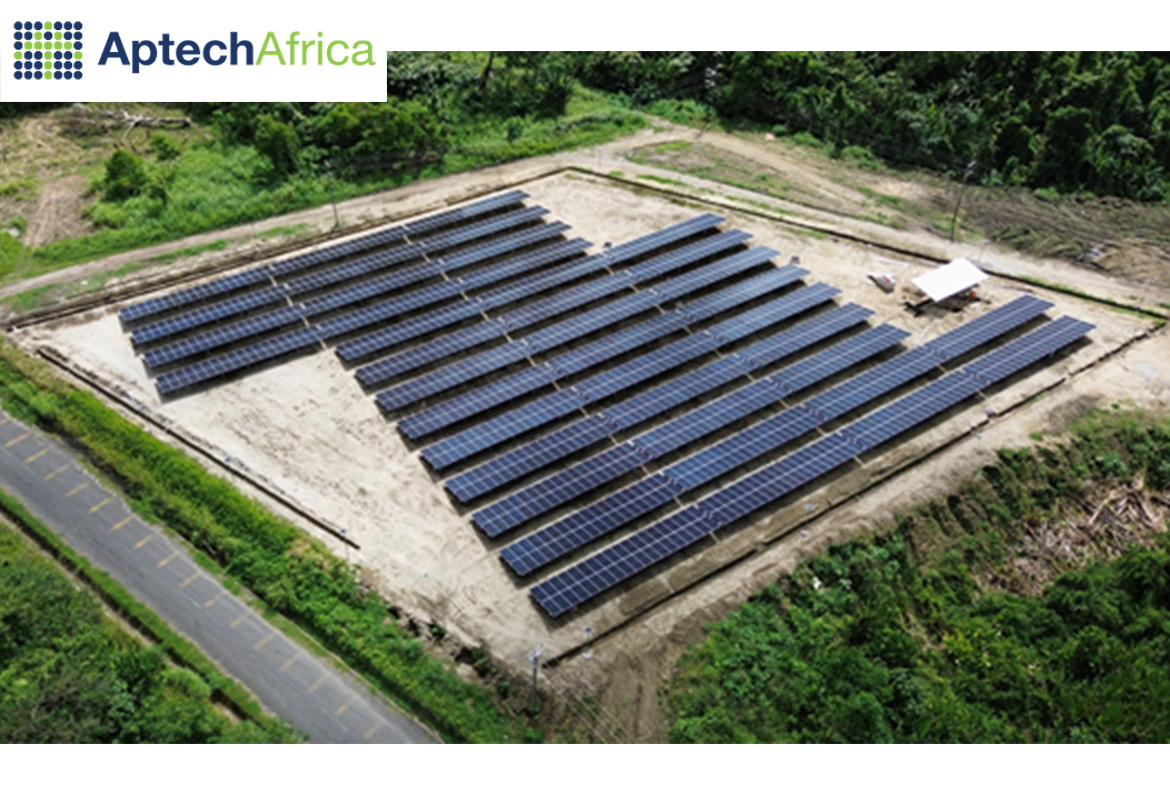
- Solar Array: 1.0 MW of PV modules (ground‑mounted) generate daytime power.
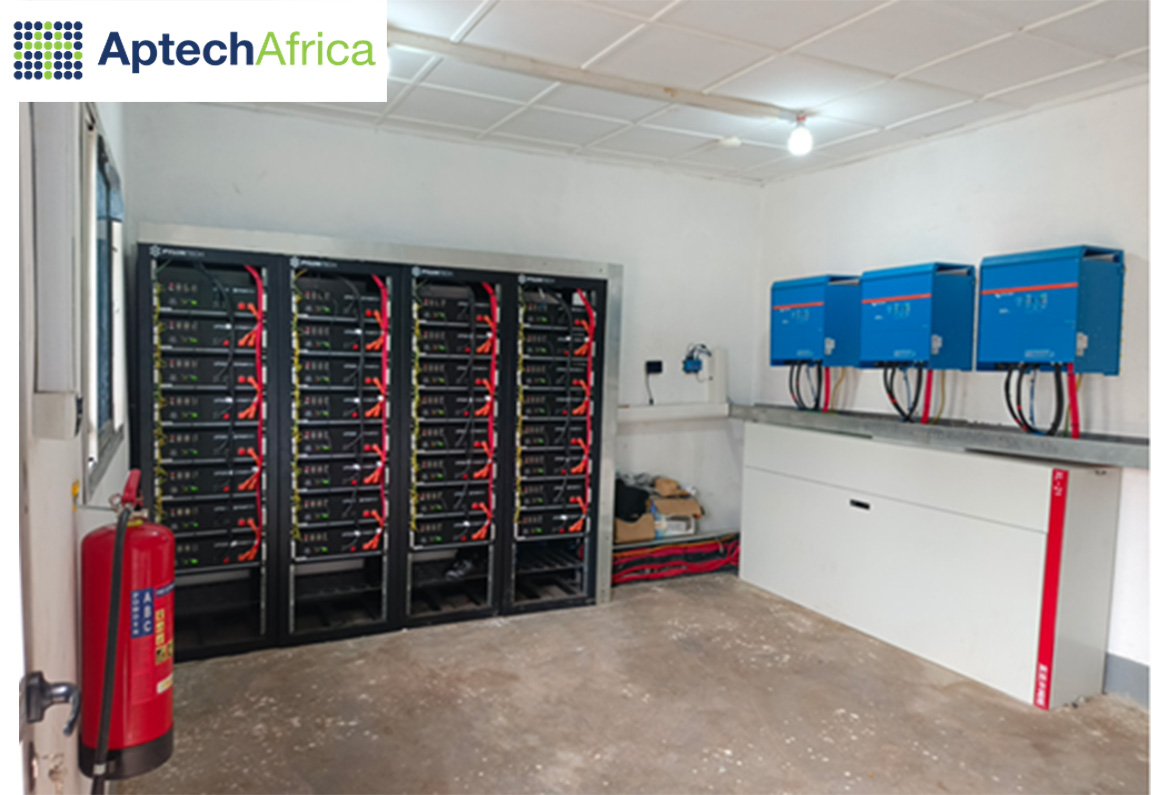
- Battery Storage: A 2.0 MW (multi‑MWh) lithium‑ion bank stores excess solar energy for nighttime and backup use.
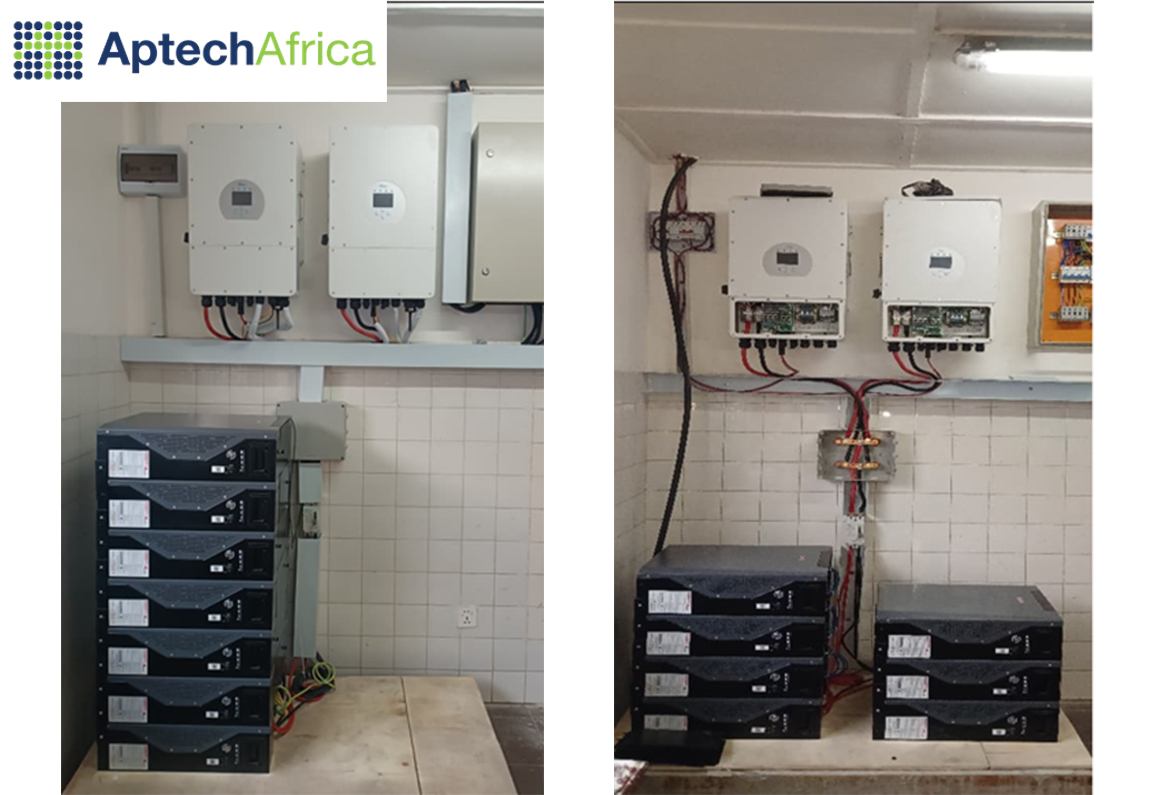
- Power Conversion Systems (PCS): High‑efficiency Huawei grid‑forming inverters (rated 1 MW) manage the DC↔AC conversion and battery charging.
- Transformer & Switchgear: A 3 MVA, 22 kV step-up transformer and associated protection gear deliver power into the local medium‑voltage network.
- Digital Energy Management: Huawei’s FusionSolar controls optimize the PV output, battery dispatch and load balance in real time.

Together, this hybrid setup ensures smooth operation both on sunny days and through the night. The system can meet the full electric load of Buin at all hours, relying on solar power first and automatically drawing on batteries as needed. Remote monitoring and control (via Huawei’s cloud platform) allow local utilities to track performance and respond quickly to issues.
Implementation: Installed in 2025 (commissioned on UN Day, Oct 24), the project was executed under the Japan-funded Pacific Green Transformation program. Aptech Africa served as the EPC contractor, supplying equipment (including Huawei inverters and batteries) and overseeing construction in this challenging, off‑grid setting. The PV panels and battery racks were shipped to Bougainville and assembled on site by Aptech’s engineers alongside local partners. The new microgrid was formally handed over to the Bougainville Power and Water Corporation for ongoing operation. As part of the launch, UNDP and its partners are training local technicians in system maintenance to ensure long-term sustainability.
Impact & Benefits: The Buin hybrid system is transforming local energy access and development:
- Universal Power Supply: It now provides clean, 24/7 electricity to the entire town – lighting homes, powering schools, businesses, health clinics and community facilities. Over 30,000 residents and visitors are expected to benefit from reliable power.
- Reduced Energy Costs: By replacing expensive diesel generation with solar + battery, local electricity costs are projected to drop by up to 50%. This makes energy far more affordable for households and enterprises.
- Diesel Savings & Emissions: Dependence on generators has plummeted – families and clinics that once ran only on diesel can now operate critical equipment day/night. This not only saves fuel but also cuts carbon emissions (advancing Bougainville’s clean‑energy goals).
- Service Continuity: Essential services benefit greatly – for example, the maternity clinic and health centre can now run ventilators, refrigeration and lights reliably after dark. As one official noted, “Schools need energy. Businesses need energy. Everyone needs energy… The solar farm in Buin is going to make a step change in the lives of the people of Buin and the businesses in Buin.”
Local Capacity Building: UNDP is conducting training for local engineers on upkeep of the PV/battery system. This builds in‑country expertise so that Bougainville residents can maintain and eventually replicate such installations

Local leaders agree that affordable, steady power is a game-changer. In their words, “cheaper, stable power means vendors can extend their hours of operation and expand business opportunities,” a boon “especially for women” in Buin. The new solar infrastructure frees families and students from the old generator schedule.
Maryanne Lugakei, a mother and student in Buin, recalls the difference:
“I had difficulty studying and cooking because we relied on a noisy generator that consumed a lot of fuel. Now, we enjoy affordable electricity, and it has improved childcare and cooking in our home.”
Similarly, Mark, a local ice-block vendor, describes how solar power revived his business and family life:
“My small business of selling ice blocks was struggling, and the children had no lighting to read. Cooking was also difficult. Now, with solar power, we can cook easily, the children can study, and we even have access to flushing toilets and showers.”
The positive impacts extend to institutions, too. At the Buin Vocational Institute (a technical training and community health campus), administrators report a dramatic change:
“As an institute, we need electricity to complete practical work with trainees. We relied on generators, but fuel availability and maintenance were constant challenges. Lack of power also affected healthcare services, especially at night, and maintaining frozen goods was very costly.”
Finally, educators feel empowered. Damien Liling, a vocational instructor, explains how access to power enables modern teaching:
“Before, I couldn’t charge my phone or laptop, and I couldn’t prepare photocopies or handouts for trainees. Now, all of this is possible with solar power.”
These firsthand testimonials – from a student and mother, a small-business owner, an institute leader, and a teacher – underscore how Buin’s hybrid solar system is transforming daily life. By replacing diesel with clean energy, the project has not only stabilized the grid but also lifted local livelihoods and learning. In Buin today, children study by electric light, clinics run smoothly through the night, and entrepreneurs extend their workday – all thanks to the reliable, affordable power the Aptech-supported hybrid solar project now provides
Challenges faced during the installation;
- Buin’s geographical isolation presented significant logistical hurdles. The area is characterized by poor road infrastructure, making transportation of heavy equipment both slow and challenging. During the heavy rainy season, roads became even more difficult to navigate, further delaying movement of materials and personnel.
- Transporting materials to the project site required a multi-stage logistical approach: Equipment was first shipped to Port Moresby, critical components were then airlifted from Port Moresby to Buka, from Buka, materials were transported inland to Buin. This process increased both costs and coordination complexity, requiring precise planning to ensure timely delivery of equipment.
- The project team faced limited and unstable internet connectivity, which affected: Real-time communication with remote technical teams, system monitoring during installation, coordination between stakeholders.
Despite this, the team adapted by implementing offline work strategies and delayed synchronization systems.
Summary: The Buin 1 MW solar‑battery project – one of the first large-scale hybrid systems in Bougainville – is a milestone in the region’s electrification. It replaces costly diesel with renewable energy, dramatically improves power quality for homes and institutions, and lays groundwork for further clean energy growth. By harnessing advanced Huawei smart‑energy technology and a robust battery bank, the system delivers stable power across a highly remote island community, accelerating Bougainville’s path toward sustainable development.
Sources: Official project launch reports and monitoring data (UNDP/partner communications). These confirm the 1 MW/2 MW hybrid design and its impact on local energy access.
References
[1] [2] [3] [4] [5] [6] UNDP and Japan launch a 1-MW Solar Farm in the Autonomous Region of Bougainville | United Nations Development Programme
[1] [4] Aptech Africa LTD’s work in UNDP Papua New Guinea’s renewable energy initiatives | Aptech Africa posted on the topic | LinkedIn
https://www.undp.org/sites/g/files/zskgke326/files/2025-12/undp-rbap-voices-and-visions-cover.pdf
[3] [5] UNDP and Japan launch a 1-MW Solar Farm in the Autonomous Region of Bougainville | United Nations Development Programme
[6] [7] Roof-mounted solar PV installation powering community hubs – Aptech Africahttps://aptechafrica.com/roof-mounted-solar-pv-installation-powering-community-hubs/