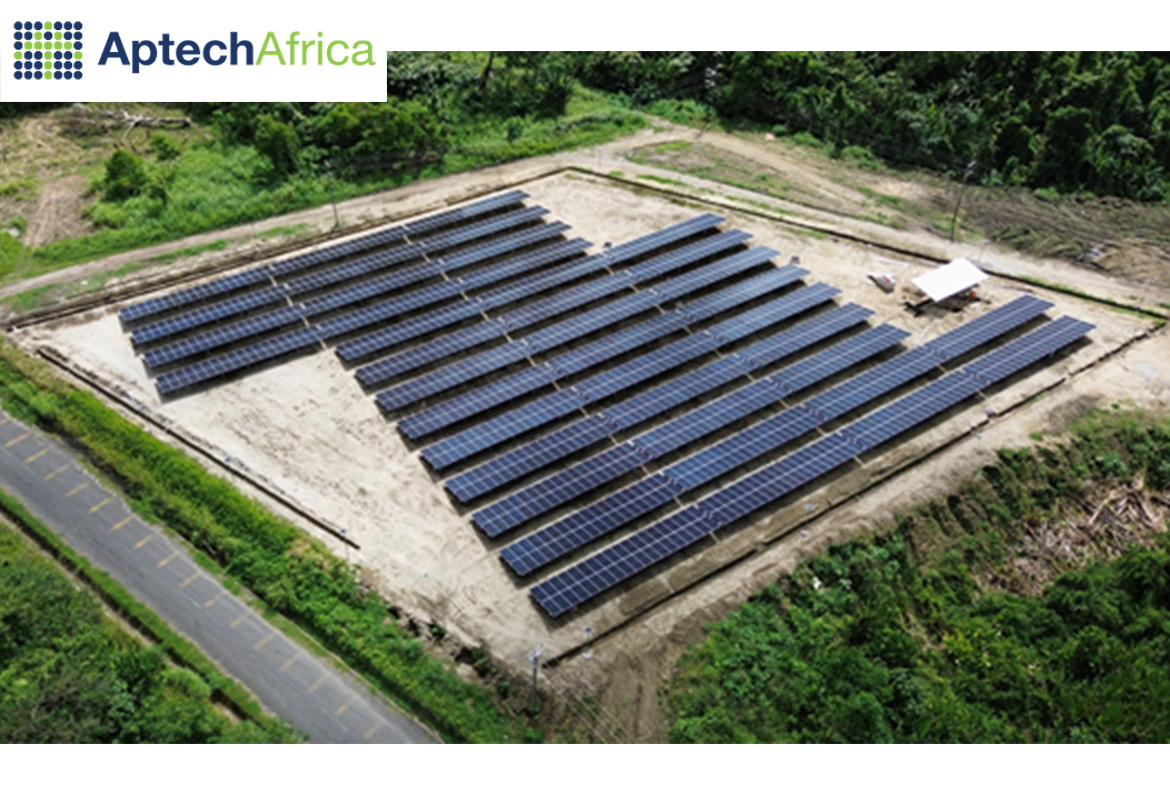
In the Central African Republic (CAR), reliable electricity is a rarity – only about 15–17% of the population has grid power. In this context, many clinics struggle to light wards or run vaccine refrigerators. A recent Aptech Africa project is changing that. Engineers installed solar photovoltaic (PV) systems at three medical facilities – Bégoua Health Center, Bédé Combattant Health Center, and Boye Rabe Hospital – for a combined capacity of roughly 102 kWp. These hybrid solar arrays (with battery backup) now supply continuous power, day and night, to staff and patients.
Bégoua and Bédé Combattant Health Centers
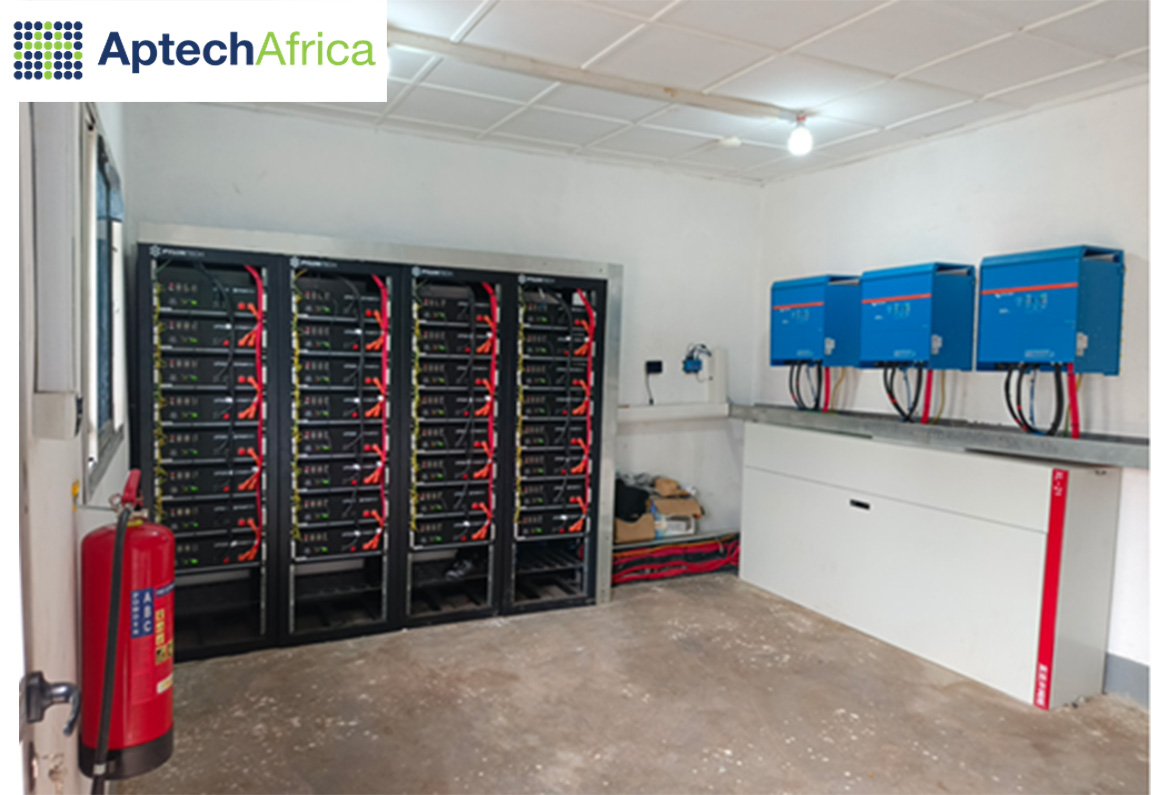
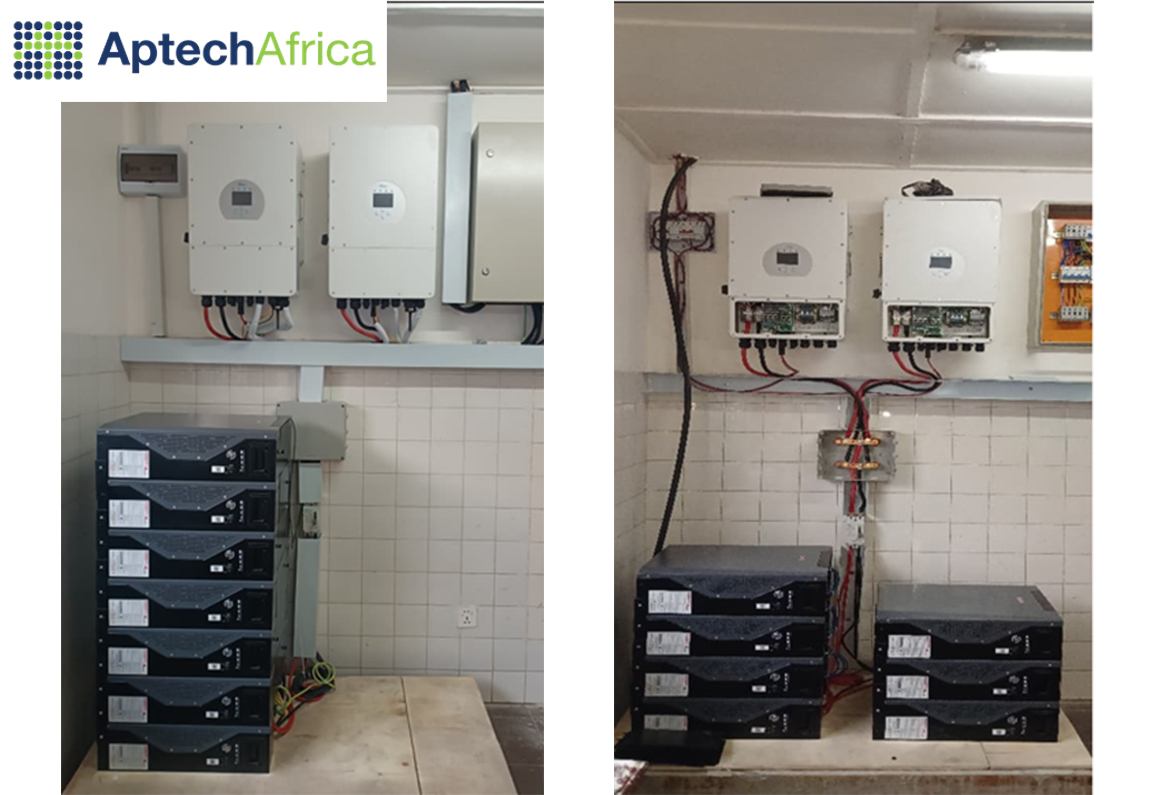
At Bégoua Health Center, Aptech installed a 38 kWp hybrid system. It uses 19 large (550 W) panels feeding a 10 kVA Victron RS450/200 inverter/charger and a BYD 15 kWh lithium battery. In practical terms, this means the clinic’s lights, lab equipment and vaccine fridge stay powered even after sunset. Next door at Bédé Combattant, an identical 38 kWp array was installed. Both clinics each have about 30 kWh of battery storage, ensuring reliable energy autonomy. Thanks to these upgrades, health workers can focus on care instead of generators: lights stay on, vaccines stay cold, and devices (like microscopes and oxygen concentrators) run all evening.
Boye Rabe Hospital (Bangui)
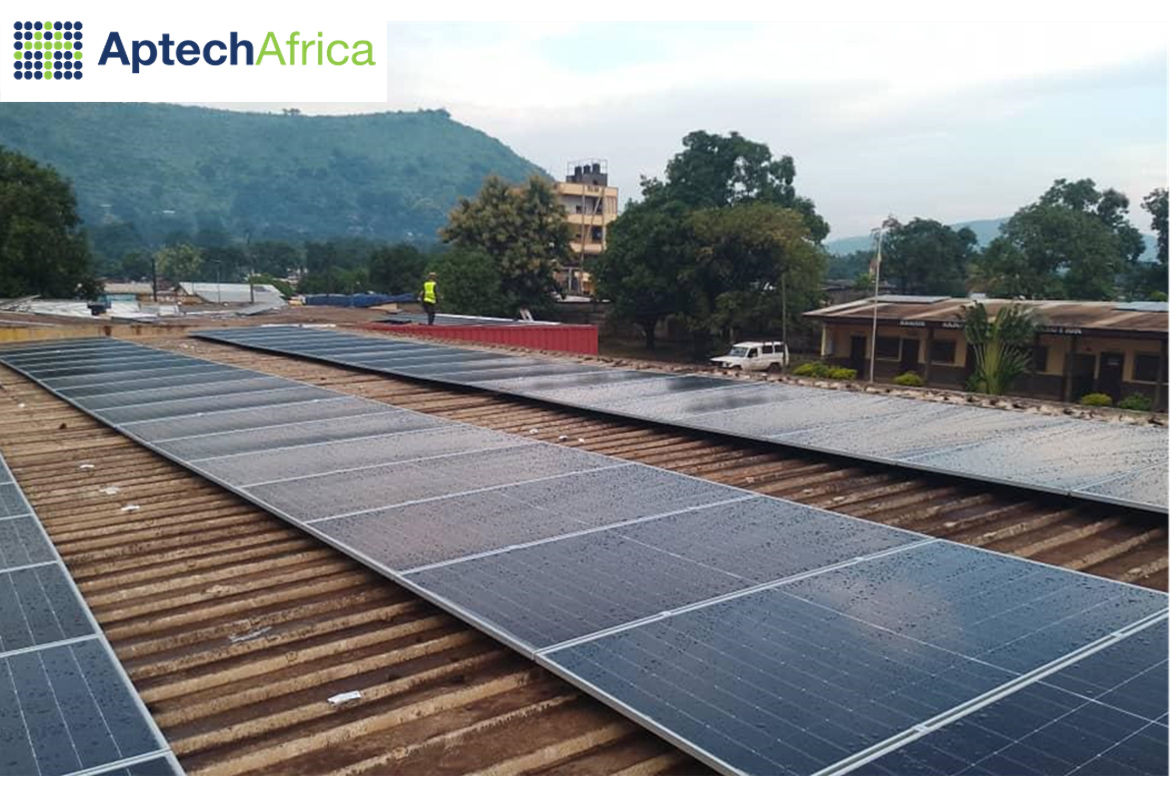
Boye Rabe Hospital, a key referral center in Bangui, received a standalone solar array of 26kwp. This roof-mounted system is paired with roughly 20 kWh of battery capacity (four 4.8 kWh Pylontech modules) and a Victron inverter setup. Crucially, the Boye Rabe installation includes a remote monitoring system (Victron Cerbo GX with router and data manager). This allows the engineers to track solar production and consumption in real-time, optimizing performance. Chosen for its critical role, Boye Rabe’s new solar installation serves the hospital’s staff and patients around the clock. In effect, it now brings dependable light and power to roughly 1,000 people in this sensitive part of the city, bolstering healthcare delivery even if the grid goes down.
Impact and Future Outlook

Solar panel installations like the one above are transforming health care in CAR. Before these projects, clinics often relied on costly diesel generators or had no power at night. Now, thanks to the sun, facilities stay lit 24/7. In a country where only about one in seven people has electricity, solar energy is a powerful ally. Médecins Sans Frontières reports that after installing solar power at Batangafo hospital, monthly X-ray exams jumped from 150 to 200 – reflecting the system’s reliability. Likewise, the Aptech systems have enabled more consistent immunization (cold-chain refrigeration), night-time deliveries and critical-care services.
The project also focused on sustainability: local technicians were trained to maintain and operate the new systems. As one Aptech report notes, “reliable energy access is a cornerstone for development” in places like CAR. By providing clean, reliable power to health centers, this initiative supports universal health coverage and SDG targets. In short, Aptech Africa’s solar installations are shedding new light on healthcare literally and figuratively ensuring doctors and nurses can care for patients without interruption.