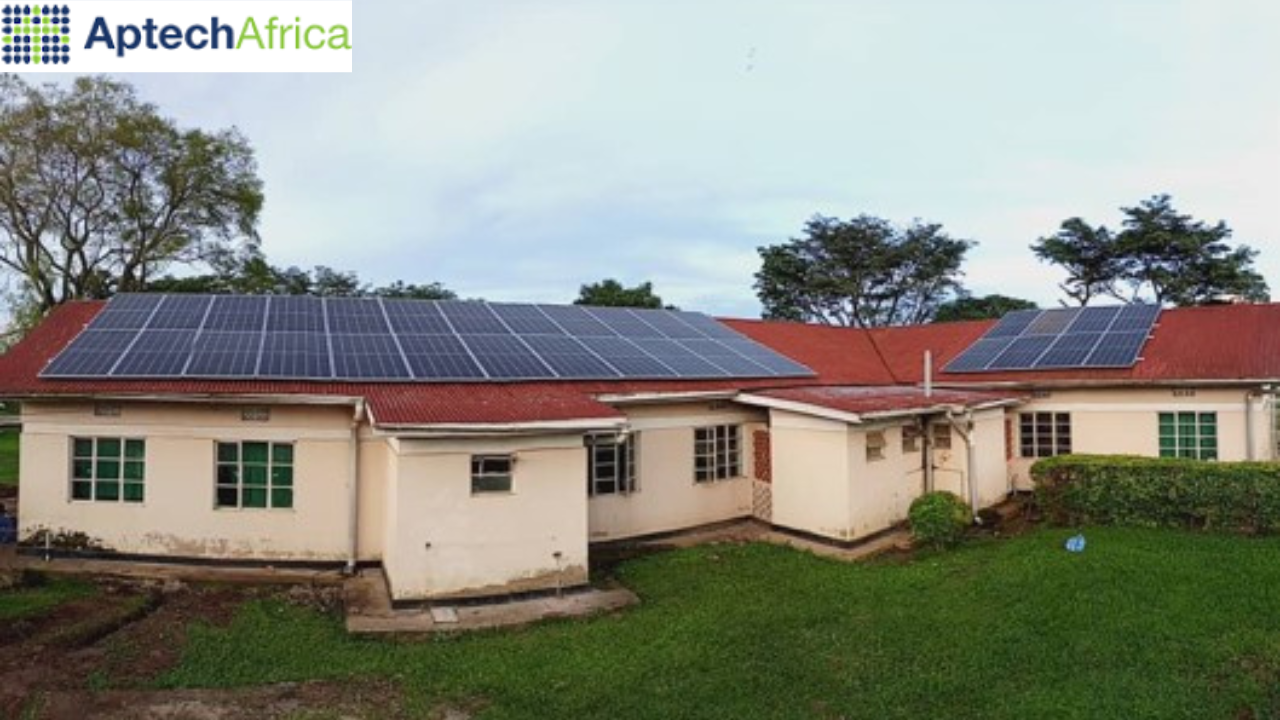
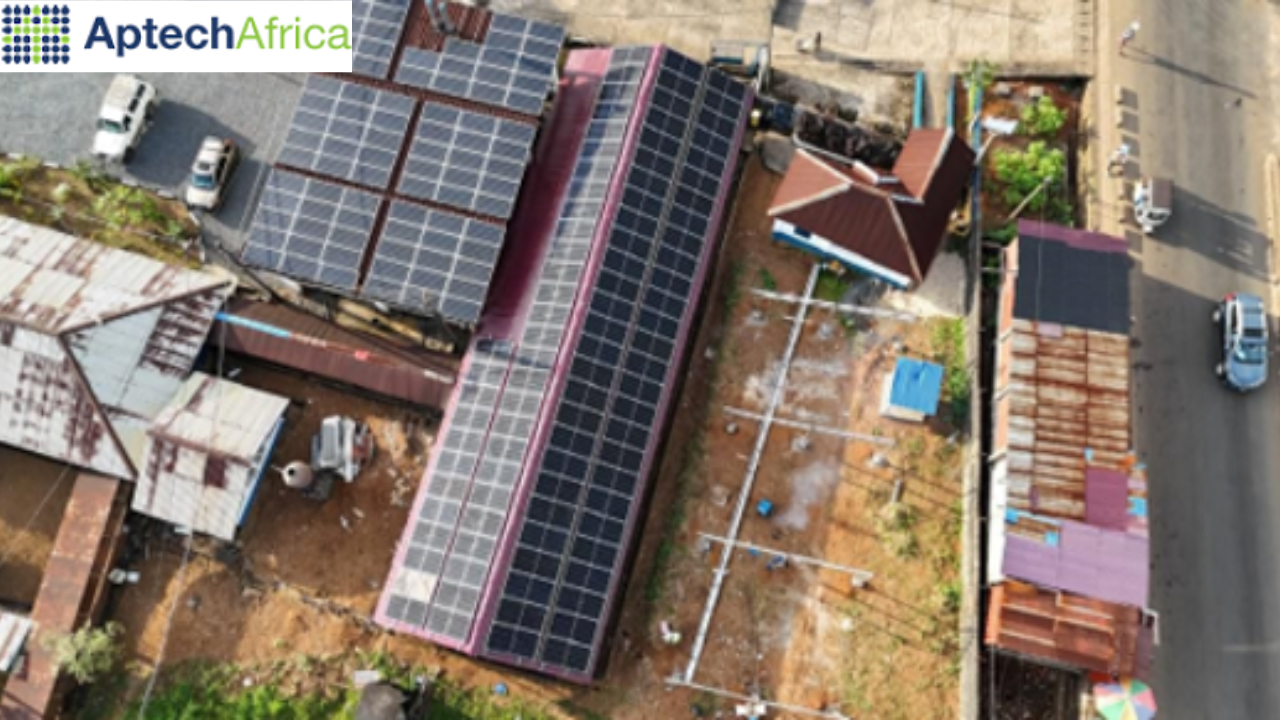
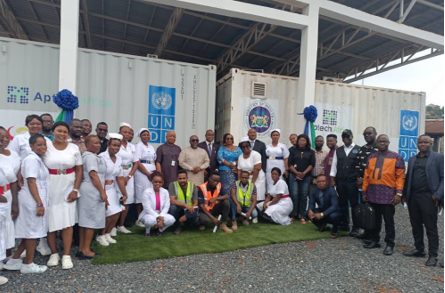
Imagine a laboratory technician preparing to analyze an emergency blood sample when the power suddenly fails. Refrigerators preserving blood supplies begin to warm, sensitive diagnostic equipment shuts down, and healthcare professionals are forced to wait for electricity to return. For patients whose treatment depends on timely laboratory results, every minute matters. Across Sierra Leone, five government hospitals decided to strengthen the already existing renewable energy infrastructure instead of replacing it, creating more resilient energy systems capable of supporting critical healthcare services for years to come.
That is exactly what Aptech Africa has successfully achieved. Through the upgrade of five Government Hospital laboratories located in Bo, Kenema, Lakka, Makeni, and Port Loko, Aptech Africa has delivered nearly 1 MWp of hybrid solar generation capacity supported by more than 3.4 MWh of battery storage.
The project upgraded five Government Hospital laboratories through carefully engineered hybrid solar solutions:
- Bo Government Hospital retained its 177.75 kWp solar array, while inverter capacity was increased from 50 kVA to 70 kVA.
- Kenema Government Hospital expanded from 127.8 kWp to approximately 221.6 kWp.
- Lakka Government Hospital increased from 140 kWp to 342 kWp.
- Makeni Government Hospital grew from 55 kWp to 148 kWp.
- Port Loko Government Hospital expanded from 72 kWp to approximately 118 kWp.
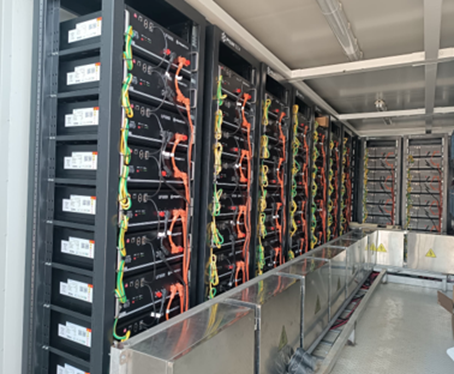
The unique aspect was the replacement of ageing OPzV lead-acid batteries with modern LiFePO₄ lithium-ion battery technology at Kenema, Lakka, Makeni, and Port Loko. These newer batteries charge faster, require significantly less maintenance, last longer, and operate more efficiently, reducing both maintenance costs and downtime. Bo Hospital retained its existing 1,152 kWh OPzV battery bank, which remained in excellent condition and continued to provide reliable service.
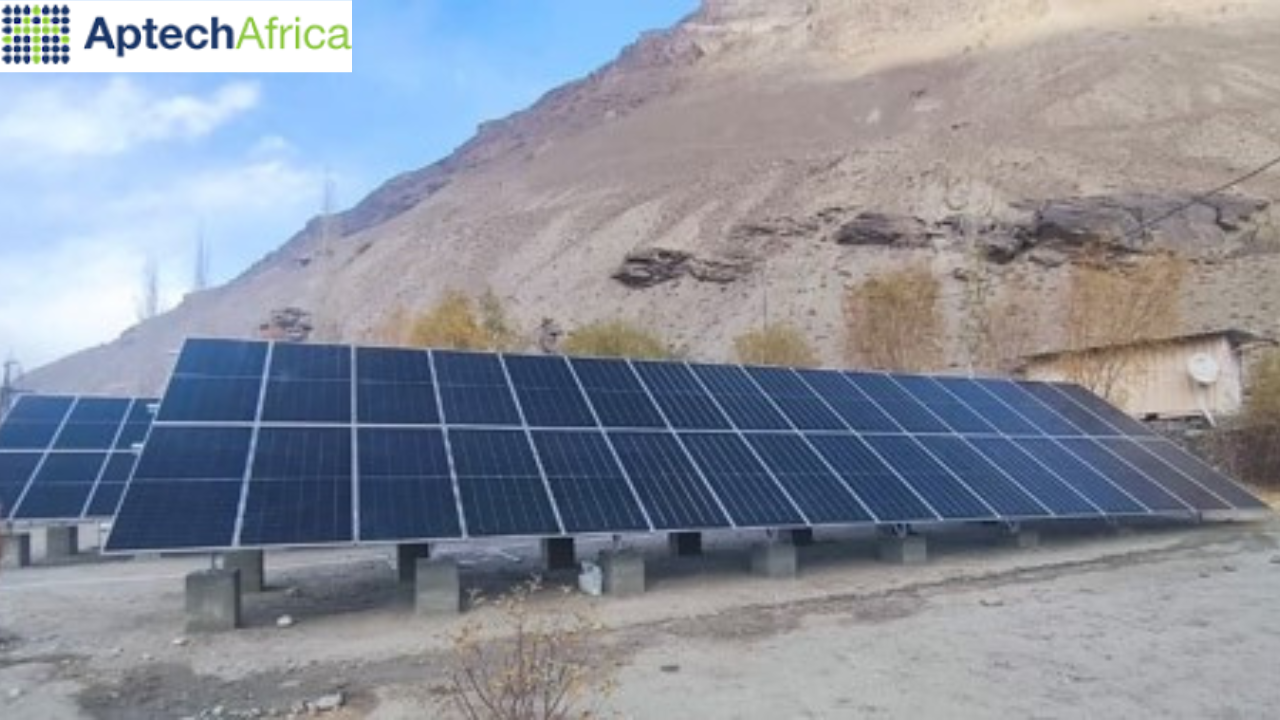
Every hospital has unique energy demands. Blood banks, cold rooms, clinical laboratories, oxygen plants, and maternity wards each require stable, uninterrupted electricity to operate safely. Aptech Africa therefore designed each installation according to the specific requirements of every hospital rather than adopting a one-size-fits-all approach combining roof-mounted and ground-mounted carport solar structures, selected according to available land, existing buildings, and site conditions.
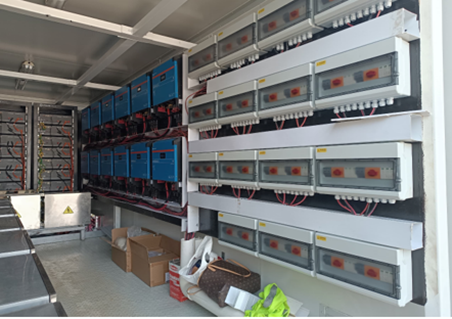
At several hospitals, Deye Three-Phase High Voltage Hybrid Inverters were installed in paired configurations to create 100 kVA inverter banks, working alongside modern Deye BOS-GM lithium battery systems. Lakka Government Hospital utilizes a Victron Energy-based hybrid solution incorporating Victron Quattro battery inverters, MPPT charge controllers, Fronius grid-tied inverters, and Pylontech lithium batteries. Using Deye Cloud Monitoring and Victron Remote Management (VRM), Aptech Africa’s technical teams can monitor every installation in real time from virtually anywhere. Rather than waiting for equipment failures to disrupt hospital operations, maintenance teams can identify potential issues early and intervene before they affect healthcare services.
An often-overlooked aspect of healthcare is security. Each hospital also received 12 standalone solar-powered LED security lights, improving safety around laboratory facilities during nighttime operations. Powered independently by dedicated solar panels and lithium batteries, these lights provide reliable lighting without adding to the hospitals’ electricity demand, creating safer working environments for healthcare staff and visitors alike.
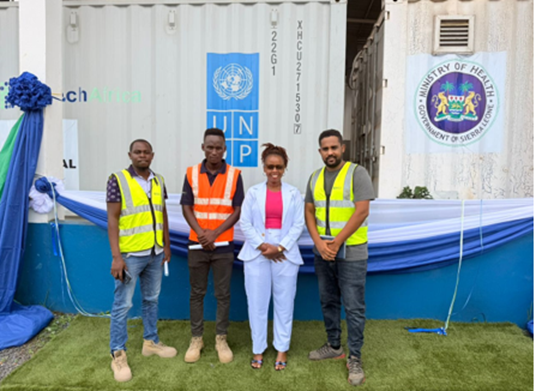
Although installed within five Government Hospitals, the benefits extend to entire districts across Sierra Leone. Thousands of patients who rely on these referral hospitals now benefit from stronger healthcare services supported by dependable renewable energy. Reduced dependence on diesel generators also lowers operating costs, decreases fuel consumption, and significantly reduces carbon emissions. Healthcare budgets previously allocated to fuel and generator maintenance can instead be redirected toward medicines, medical equipment, and patient care. At the same time, the project has strengthened local technical capacity through training, knowledge transfer, and hands-on experience for Sierra Leonean technicians.
Rather than replacing functioning infrastructure, Aptech Africa modernized and expanded existing systems, preserving valuable assets while introducing advanced lithium battery technology, intelligent hybrid controls, real-time monitoring, and improved energy resilience.
At Aptech Africa, we believe that reliable energy is more than electricity it is the foundation upon which quality healthcare is built. Through innovative renewable energy solutions, we continue to empower hospitals, strengthen communities, and create lasting impact across Africa.