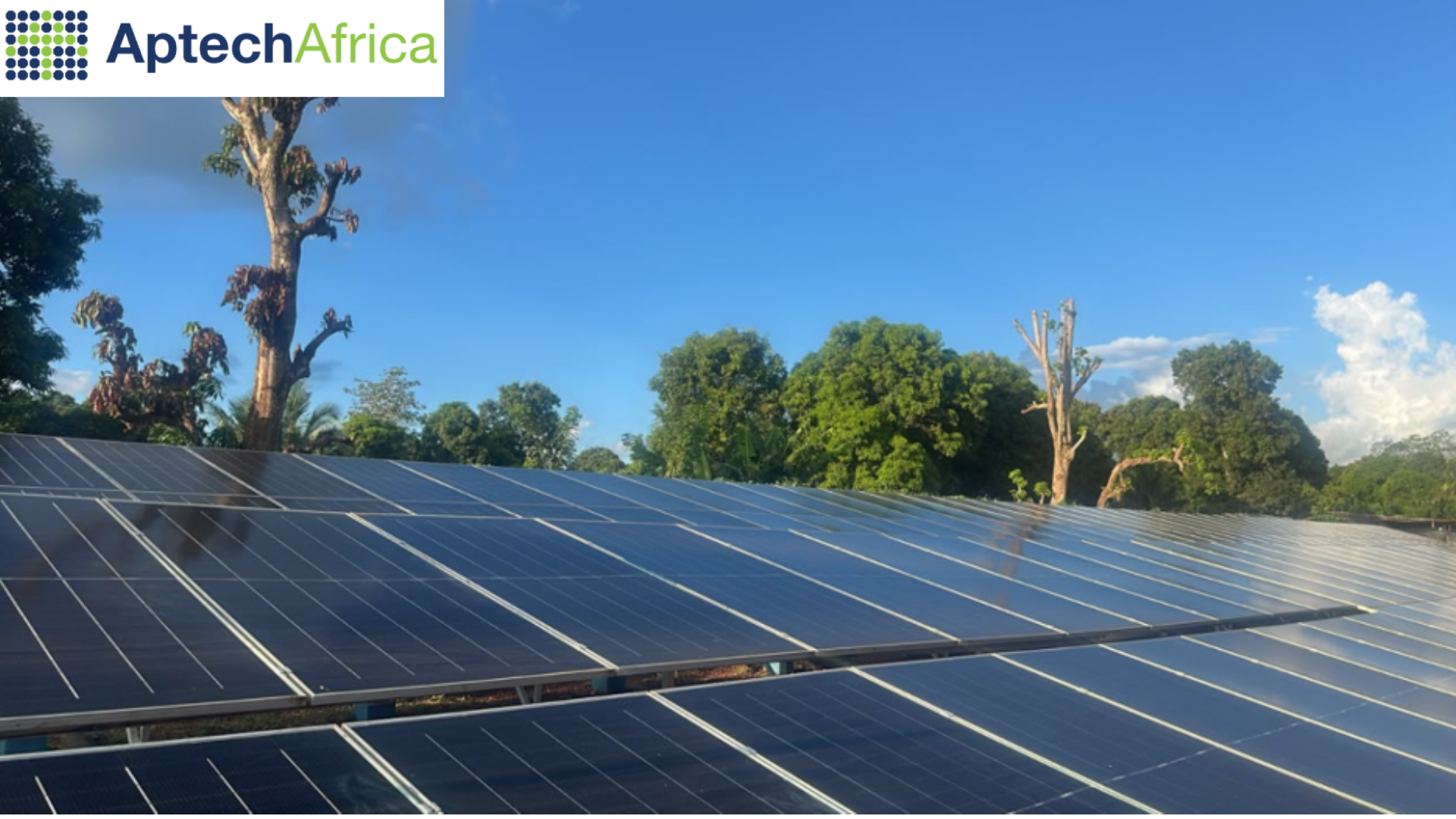
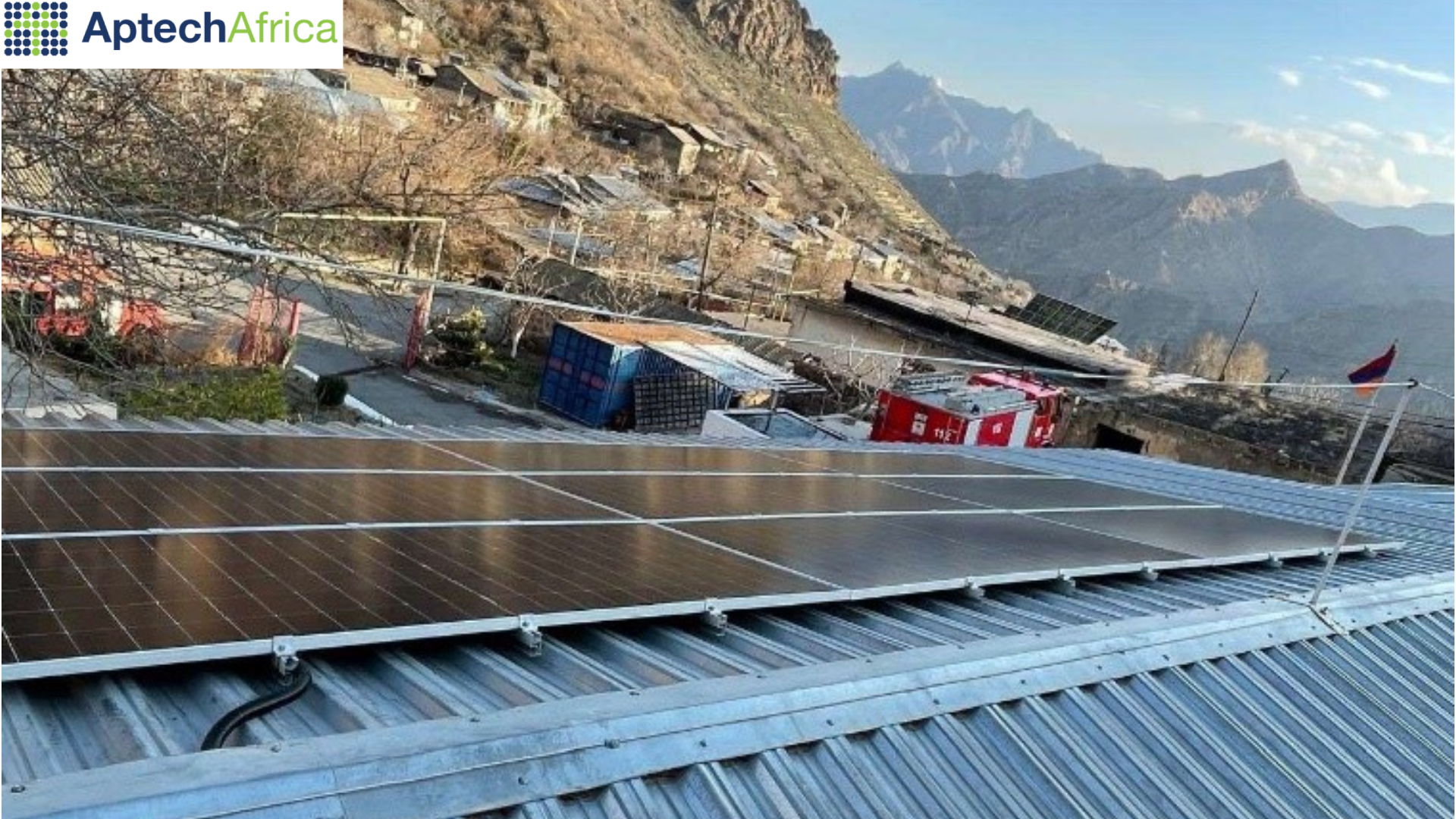
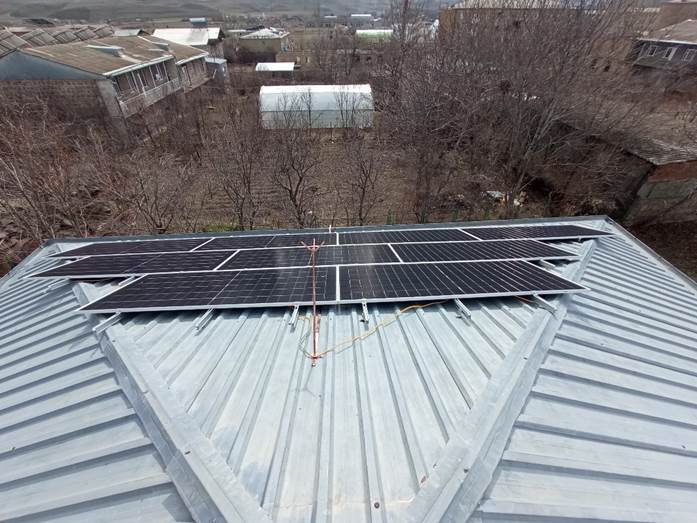
Aptech Africa is contributing to improved energy access in Armenia through the deployment of Solar Photovoltaic (PV) systems with mobile units and battery backup across four Marzes. The project is designed to provide reliable, clean electricity to 64 planned sites, supporting local communities, emergency service providers, and end users in rural areas.
By combining rooftop-mounted solar systems with mobile solar stations, battery storage, and remote monitoring technology, the project adopts a flexible approach to meeting diverse energy needs. It is designed not only to generate electricity but also to improve energy resilience, reduce dependence on conventional power sources, and support the continuity of essential services.
The project comprises two lots, each covering 32 sites with different system capacities to accommodate varying electricity requirements. Each site under Lot 1 is equipped with a 2.46 kWp solar PV system and 5.3 kWh of battery storage. These systems provide a compact renewable energy solution for locations with comparatively modest electricity demands. Lot 2 consists of 32 systems, each with a 5.535 kWp solar PV array and 10.6 kWh of battery storage. These higher-capacity installations are designed to accommodate greater energy requirements, offering increased solar generation and storage capacity for sites that need additional power availability. Across both lots, the project provides a planned total battery storage capacity of 508.8 kWh, calculated from 32 systems with 5.3 kWh each and 32 systems with 10.6 kWh each.
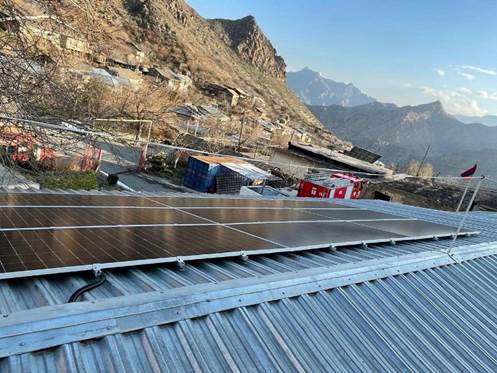
At the reported stage of implementation, 49 sites had been installed and commissioned, while materials for the remaining 15 sites had been handed over. This phased approach reflects the coordination required to implement distributed solar solutions across multiple rural locations, where each site may have different installation conditions and operational requirements. To support dependable operation, the project incorporates Deye inverters, Pylontech batteries, and a remote monitoring system. Together, these technologies help manage solar generation, store energy, and monitor system performance. For installations distributed across four Marzes, remote monitoring can be particularly valuable because it helps reduce reliance on physical inspections for every routine performance check. When combined with appropriate maintenance procedures, it can support quicker fault identification, reduced downtime, and improved long-term asset management.
The ultimate beneficiaries of renewable energy infrastructure are the people who use the services it supports. For end users in rural Armenia, reliable electricity can help ensure that participating facilities are better equipped to perform their intended functions. Depending on the site, this may support access to essential services, improve service delivery conditions, and reduce the operational difficulties associated with unreliable power.
Solar power offers a renewable alternative to electricity generated from conventional sources. By meeting part of the electricity demand at participating sites, the installed systems can help reduce reliance on grid electricity and, where fuel-powered generators would otherwise be used, potentially lower fuel consumption and associated operating expenses. Solar PV systems also generate electricity without direct combustion emissions during operation. Their environmental contribution depends on how much solar energy is produced and which conventional energy sources are displaced.
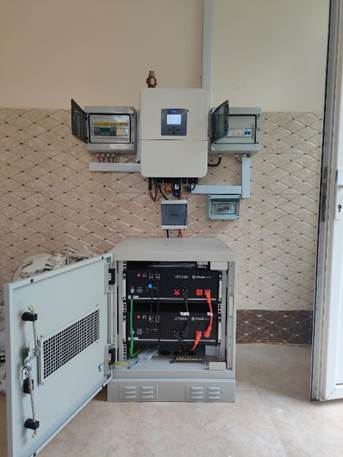
The combination of solar generation, battery storage, mobile energy stations, and remote monitoring provides a flexible approach to improving electricity availability in rural settings. The benefits are particularly relevant for emergency service providers, local communities, and end users whose activities depend on reliable power.
Beyond its technical specifications, the project’s significance lies in its potential to support essential services, strengthen local resilience, and promote cleaner energy use. Completing the installations and maintaining the systems effectively will be crucial to translating this infrastructure into lasting benefits.
Through this installation, Aptech Africa is contributing to a future in which renewable energy can play a greater role in supporting rural development and energy security.