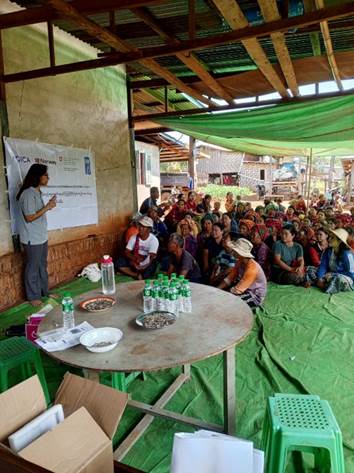
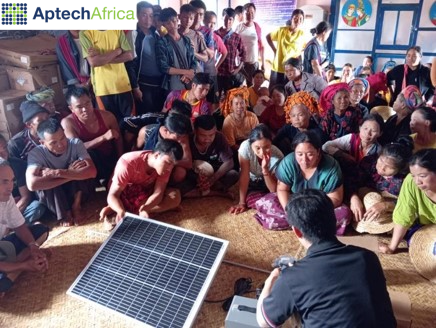
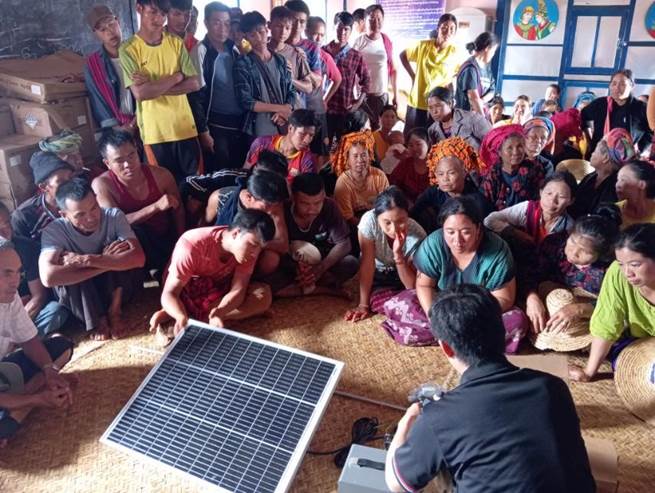
Aptech Africa undertook the supply, delivery, installation, testing and commissioning of 3,100 Solar Home Systems (SHS) in Myanmar, bringing clean, decentralized energy solutions closer to rural households and communities that lack access to conventional electricity networks. Access to reliable electricity is essential for improving living standards, strengthening rural livelihoods and creating opportunities for social and economic development. However, many households in off-grid areas continue to face challenges accessing dependable power for everyday activities, including lighting, studying, and operating small household appliances.
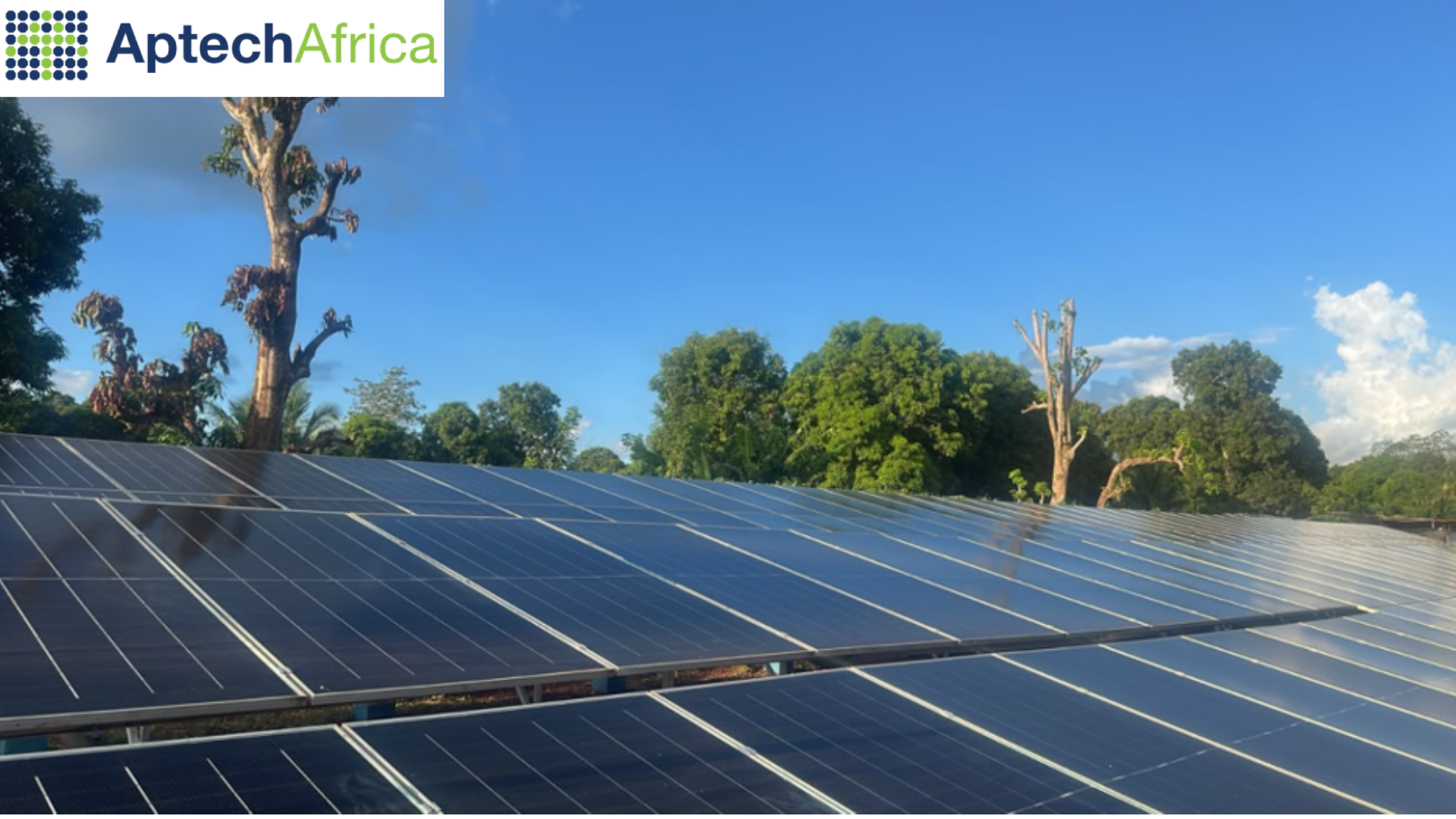
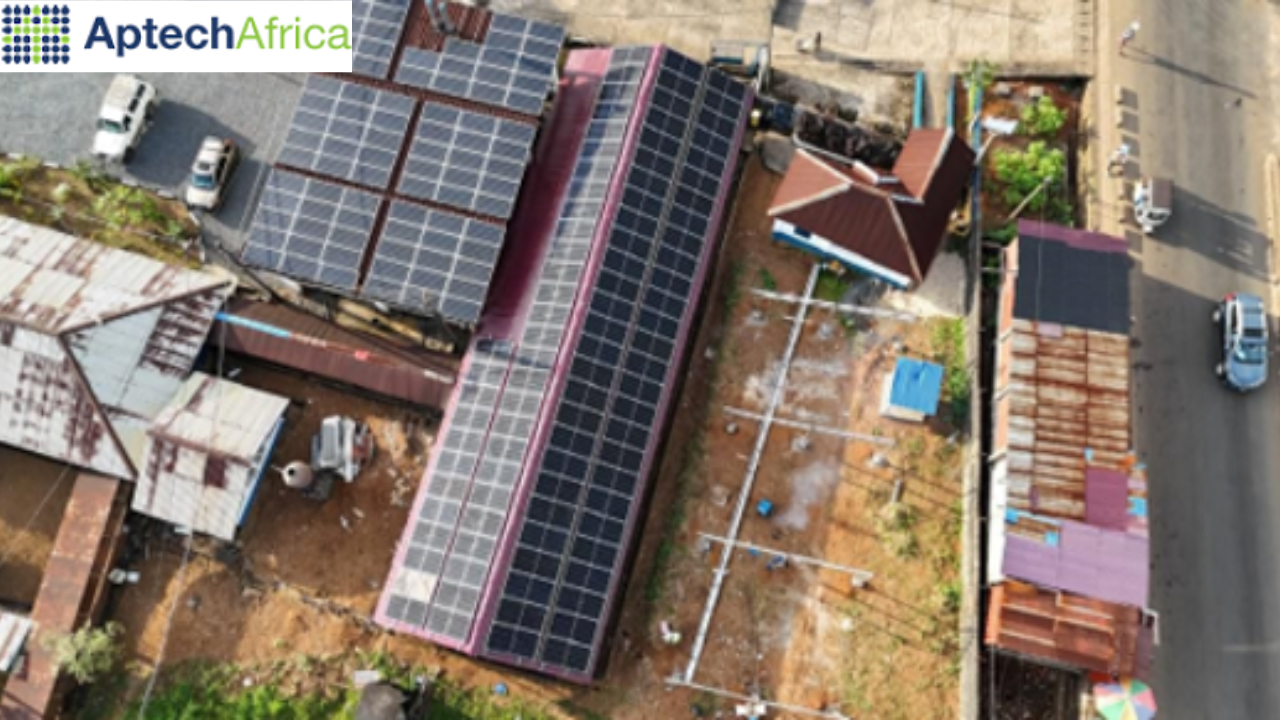
The project involved the installation of 3,100 standalone, roof-mounted Solar Home Systems, each designed to provide essential electricity for individual households. With a solar panel capacity of 80Wp per system and an energy storage capacity of 576Wh per system, the installations were designed to support basic household lighting and the use of small appliances.
One of the most immediate benefits of solar home electrification is access to dependable lighting after sunset. For households previously reliant on limited lighting options, LED lamps powered by solar energy can make homes more comfortable and functional during the evening. By reducing dependence on traditional lighting alternatives where these are used, solar home systems can also help households reduce exposure to indoor smoke associated with kerosene lamps and other polluting fuels.
Electricity can play a meaningful role in supporting children’s education, particularly in rural communities where daylight hours may not be sufficient for all study activities. With solar-powered LED lighting, children can read, complete homework and revise lessons after sunset without relying solely on daylight or other limited lighting sources.
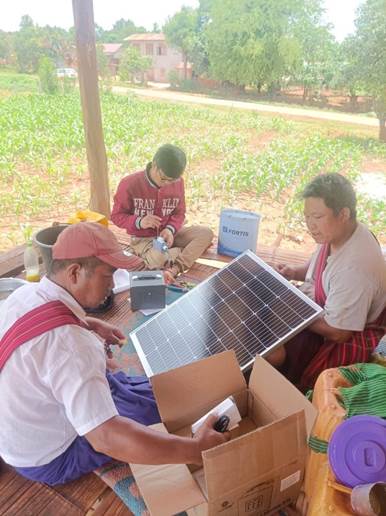
In areas without grid electricity, households may depend on alternative sources of lighting and energy that involve recurring fuel expenses, battery purchases or other costs. Solar home systems provide an alternative by generating electricity from sunlight and storing energy for later use. Once installed, the systems can reduce the need for some conventional off-grid lighting options, depending on each household’s previous energy use. Solar power also produces no direct greenhouse gas emissions during electricity generation. By supporting the use of renewable energy at household level, the project contributes to broader efforts to promote cleaner and more sustainable energy solutions.
The benefits extend beyond individual homes. As more households gain access to lighting, the wider community may experience improvements in evening activity, social interaction and opportunities for small-scale economic engagement.
The Myanmar project demonstrates the value of decentralized solar energy in communities where conventional grid infrastructure is unavailable or difficult to extend. Rather than depending on a centralized power network, each Solar Home System provides an independent source of electricity for an individual household. This approach allows electrification efforts to reach dispersed rural populations and deliver essential energy services directly where they are needed.
The deployment of 3,100 standalone systems illustrates how appropriately sized solar technology can help bridge energy access gaps. Although the systems are designed for basic lighting and small-appliance use rather than high-energy household demands, they provide an important starting point for families seeking access to modern energy services.
The project aligns with the broader objectives of Sustainable Development Goal 7: Affordable and Clean Energy, which calls for access to affordable, reliable, sustainable and modern energy for all. It also supports the wider development ambitions associated with improved community well-being, productive livelihoods and more sustainable patterns of energy consumption.
For rural households, the impact of electrification is often experienced through practical daily improvements: a child able to study after dark, a family enjoying better-lit living spaces, or a household gaining greater flexibility to complete essential tasks in the evening. These individual benefits are the building blocks of wider community progress.
At Aptech Africa, delivering solar energy solutions means more than installing equipment. It means helping communities access practical technologies that can improve everyday life, strengthen resilience and support sustainable development. As the world continues to pursue more inclusive and sustainable energy systems, projects such as this demonstrate the important role of decentralized solar solutions in reaching communities that might otherwise remain underserved.