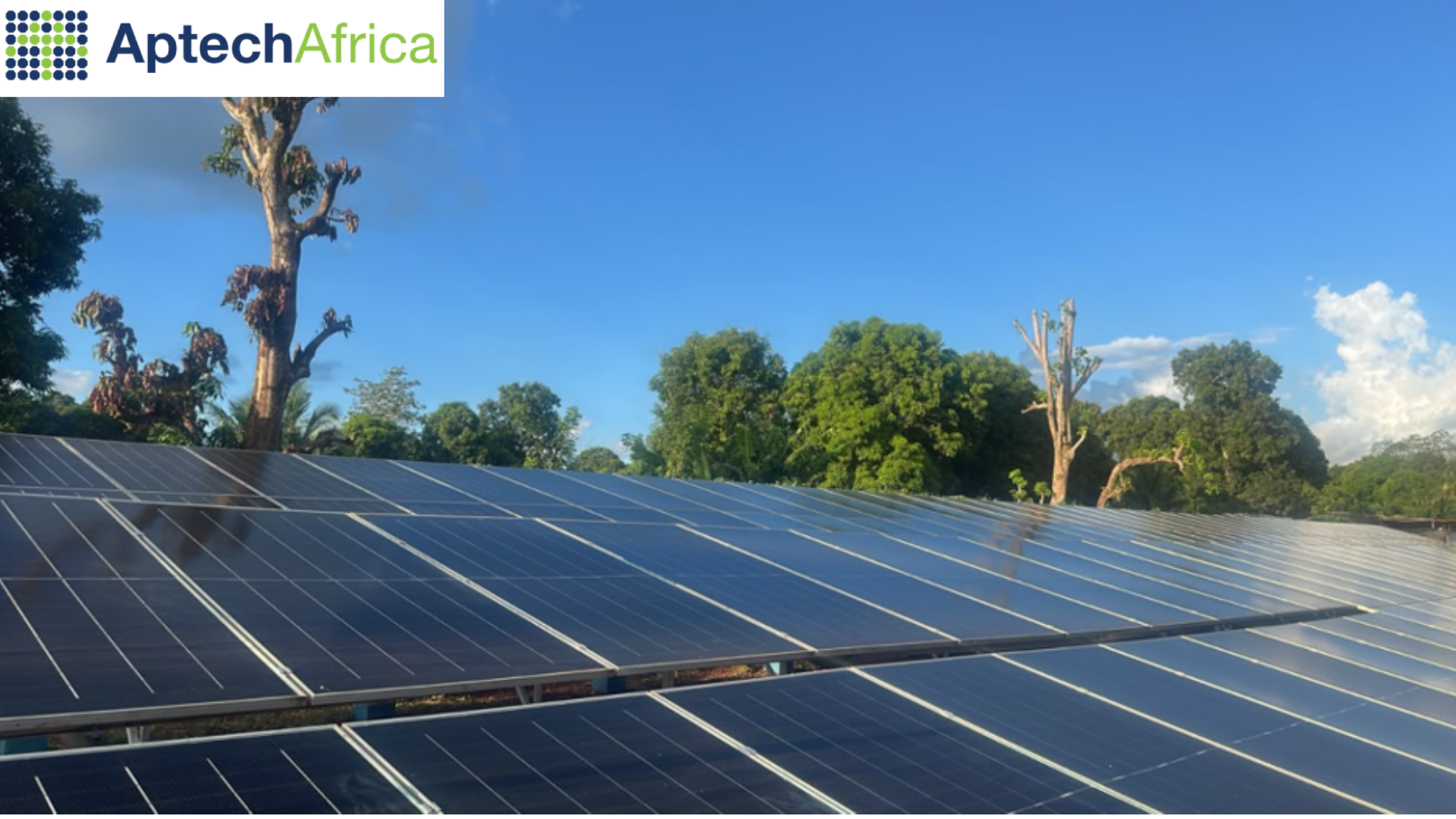
In a hospital, electricity is more than a utility. It supports operating theatres, diagnostic equipment, refrigeration, lighting, communications, medical wards and countless other services that healthcare teams depend on every day. When power is unreliable, the consequences can extend far beyond inconvenience.
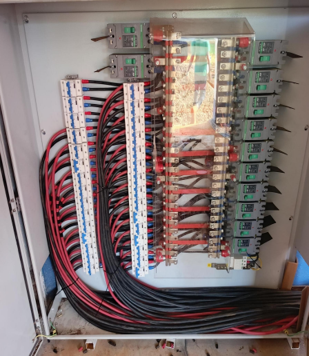
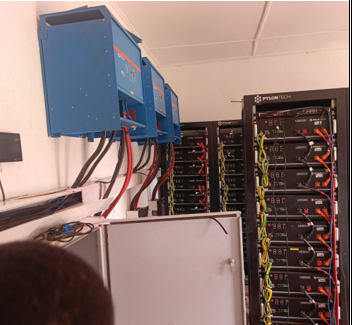
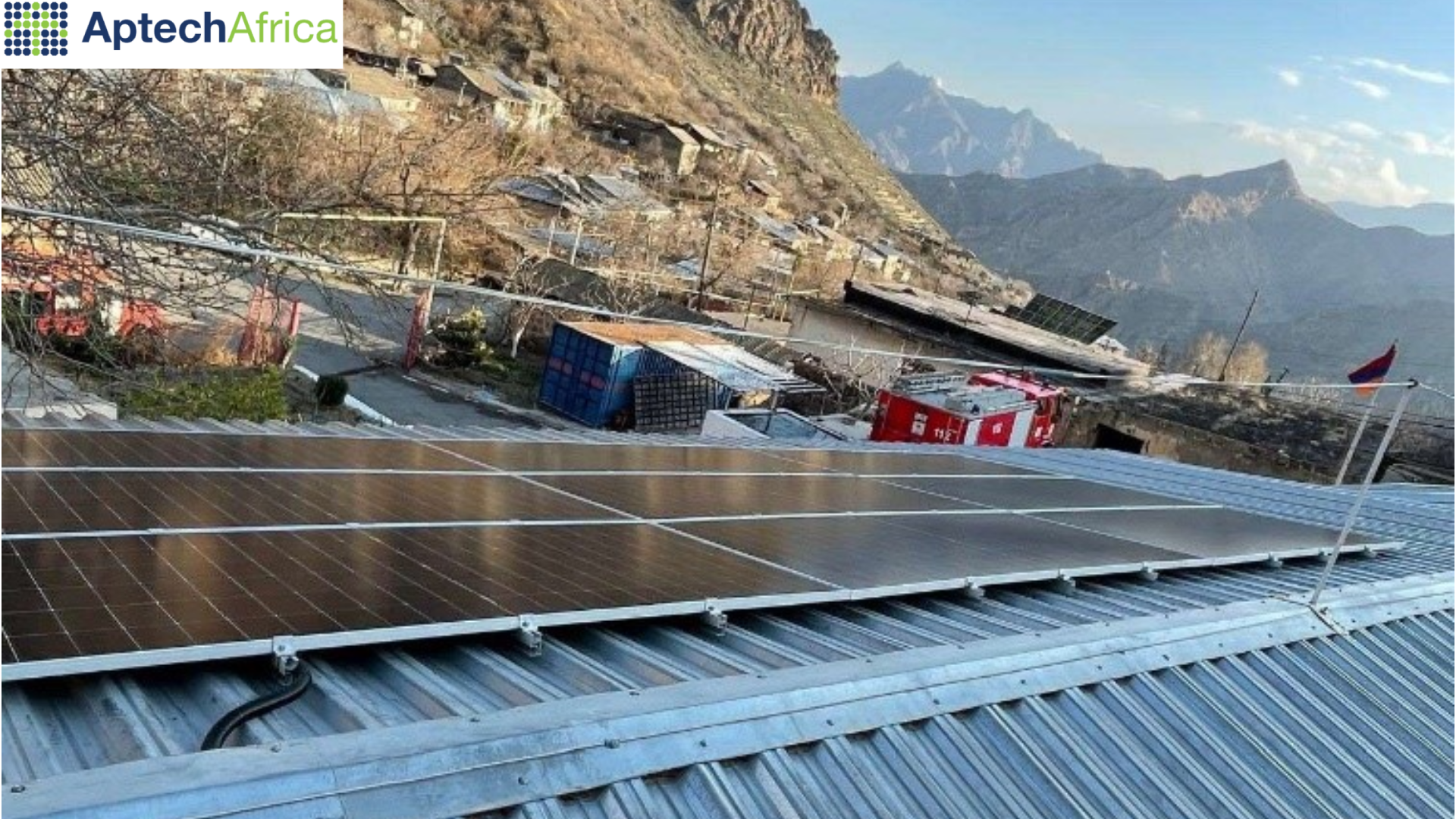
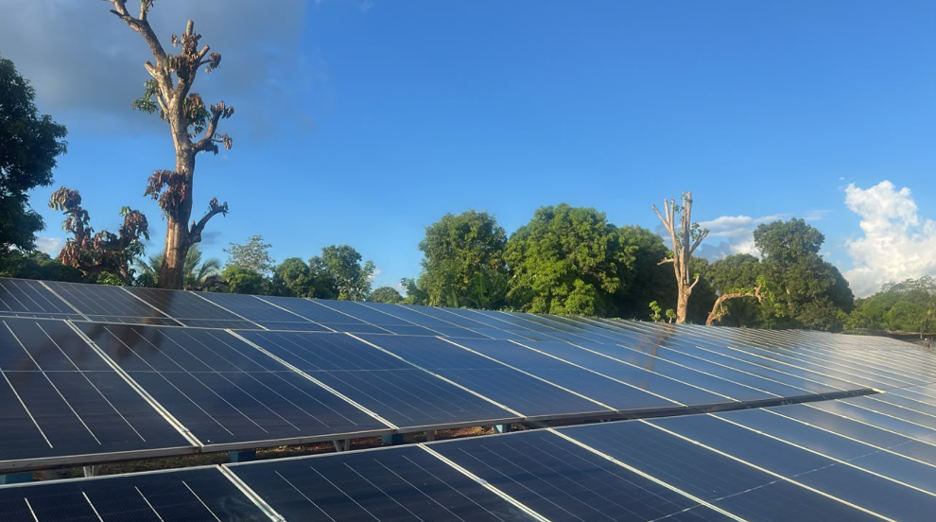
Recognizing the importance of dependable energy for healthcare delivery, Aptech Africa undertook the design, supply, installation and maintenance of an 80 kWp of solar capacity, with 250 kWh of battery storage, six Victron MPPT charge controllers, three Fronius grid inverters, six existing Victron Quattro battery inverters, and the 54 Pylontech lithium batteries at the Bangassou Regional University Hospital in the Central African Republic. The project was designed not simply to add more solar panels, but to strengthen the hospital’s overall energy infrastructure by integrating solar generation, battery storage, the existing electrical system and backup generators into a coordinated energy-management solution.
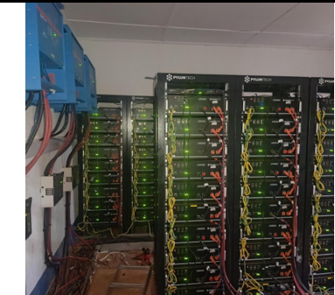
At the heart of the extension is a combination of solar charge controllers, grid-connected inverters, battery inverters and lithium-ion battery storage. At HRUB, the solar extension was therefore integrated with the existing electrical grid and backup generators. A modern solar installation should not operate as a “black box.” Aptech Africa installed a complete monitoring solution that provides visibility into the performance of the energy system. The monitoring platform enables real-time tracking of key parameters, including: Solar production, Energy consumption, Battery status, Fault detection, and Alarms and alerts.
Patients are among the most direct beneficiaries of improved energy infrastructure. A dependable power supply supports the hospital environment in which patients receive treatment, undergo diagnostic procedures and access essential medical services. Maternal and child healthcare is particularly dependent on a safe and dependable clinical environment. Doctors, nurses, laboratory technicians, pharmacists, administrators and other hospital personnel all depend on electricity to perform their roles.
The significance of the project goes beyond replacing or supplementing conventional electricity with solar power. The combination of solar generation, battery storage, grid power and backup generation create multiple sources of energy for the hospital hence greater resilience.