Strengthening Healthcare Infrastructure with Reliable and Sustainable Energy
Access to reliable electricity is one of the most critical requirements for delivering quality healthcare services. From powering medical equipment and preserving vaccines to ensuring adequate lighting for emergency procedures, electricity plays a vital role in the day-to-day operation of health facilities.
Recognizing the importance of dependable power in healthcare, Aptech Africa successfully designed, supplied, and installed solar energy systems across 10 health facilities in Rwanda, providing clean, reliable, and sustainable electricity to support essential healthcare services.
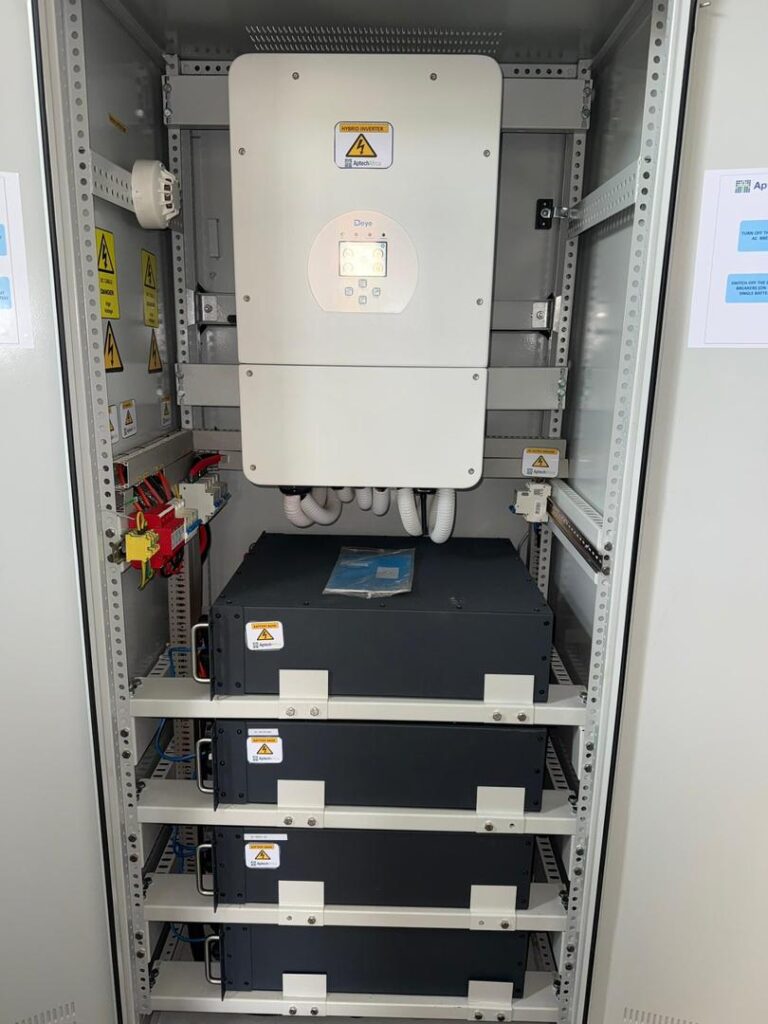
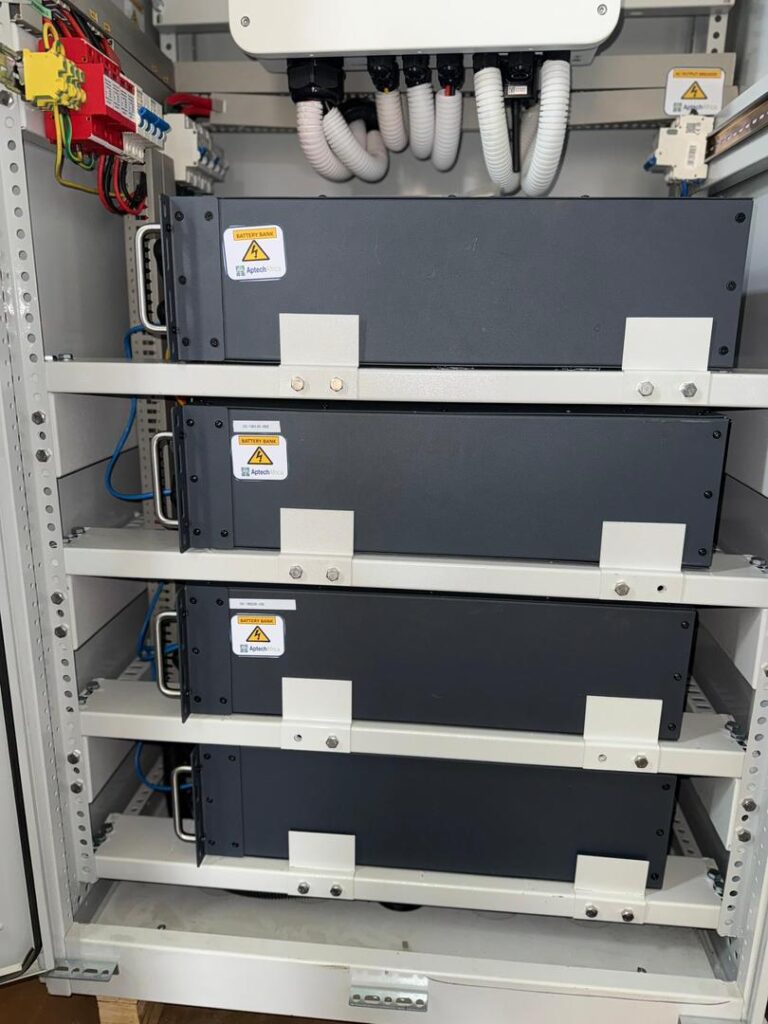
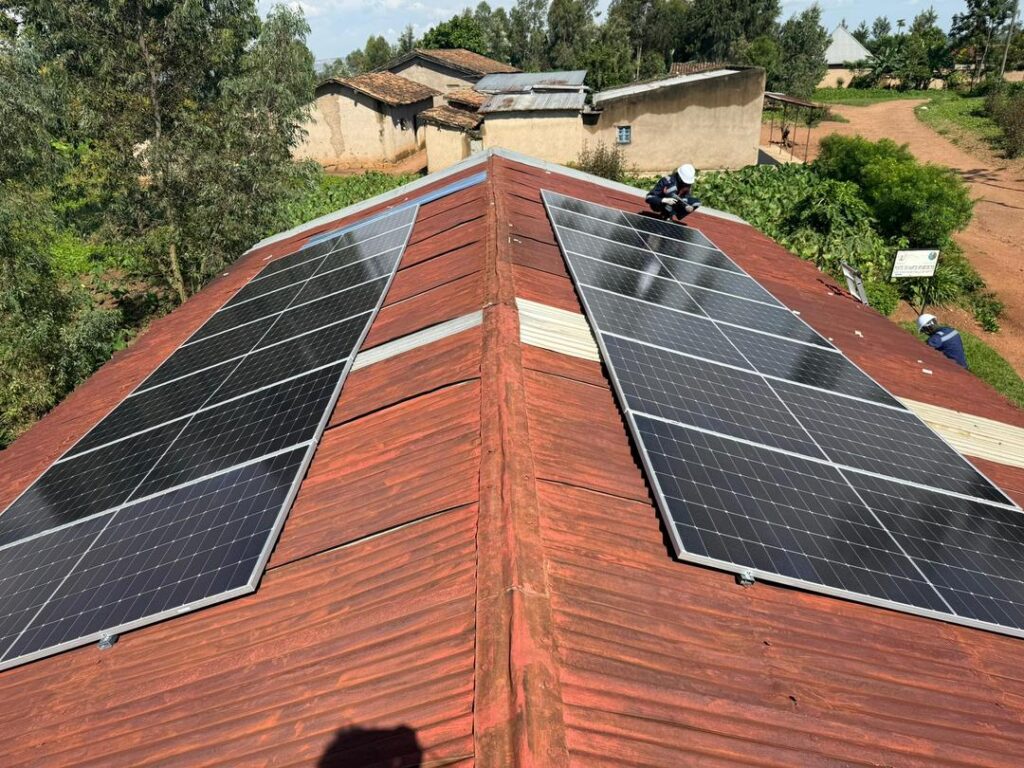
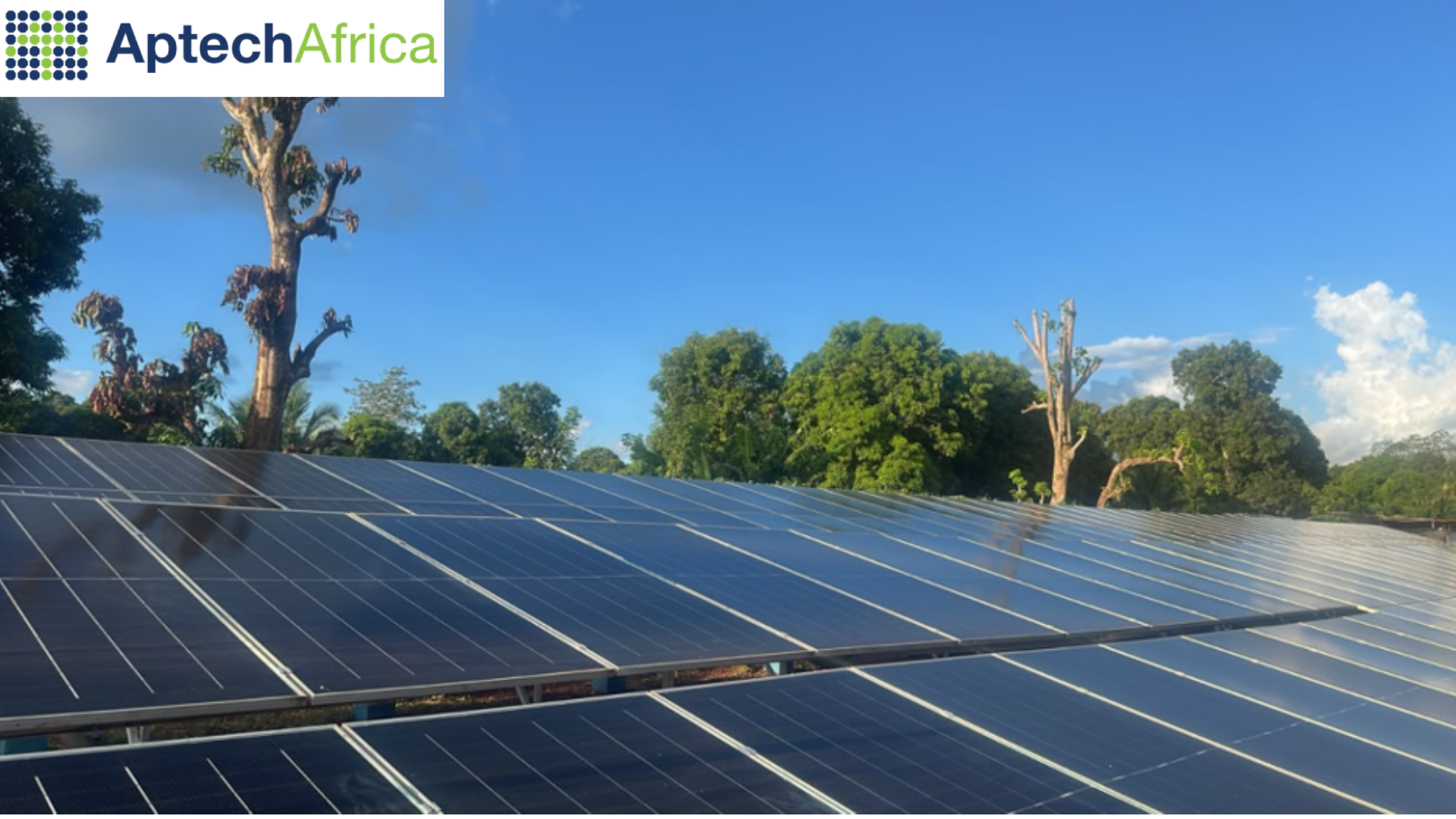
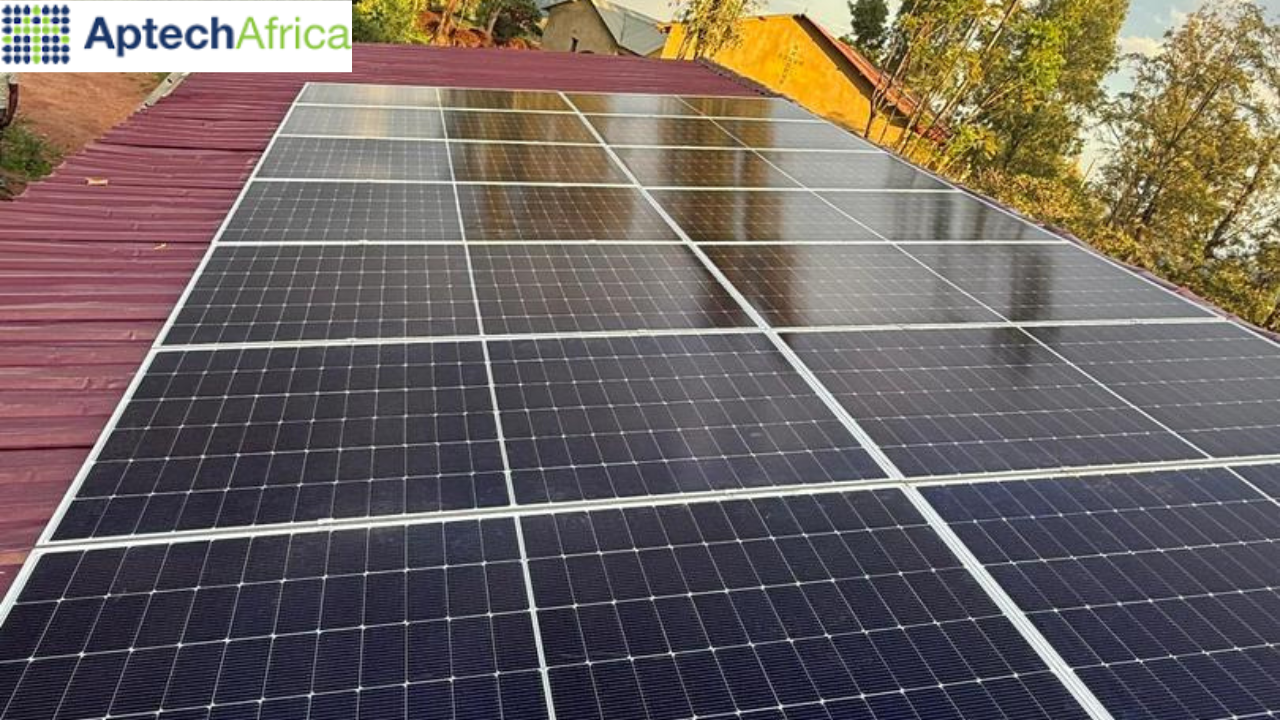
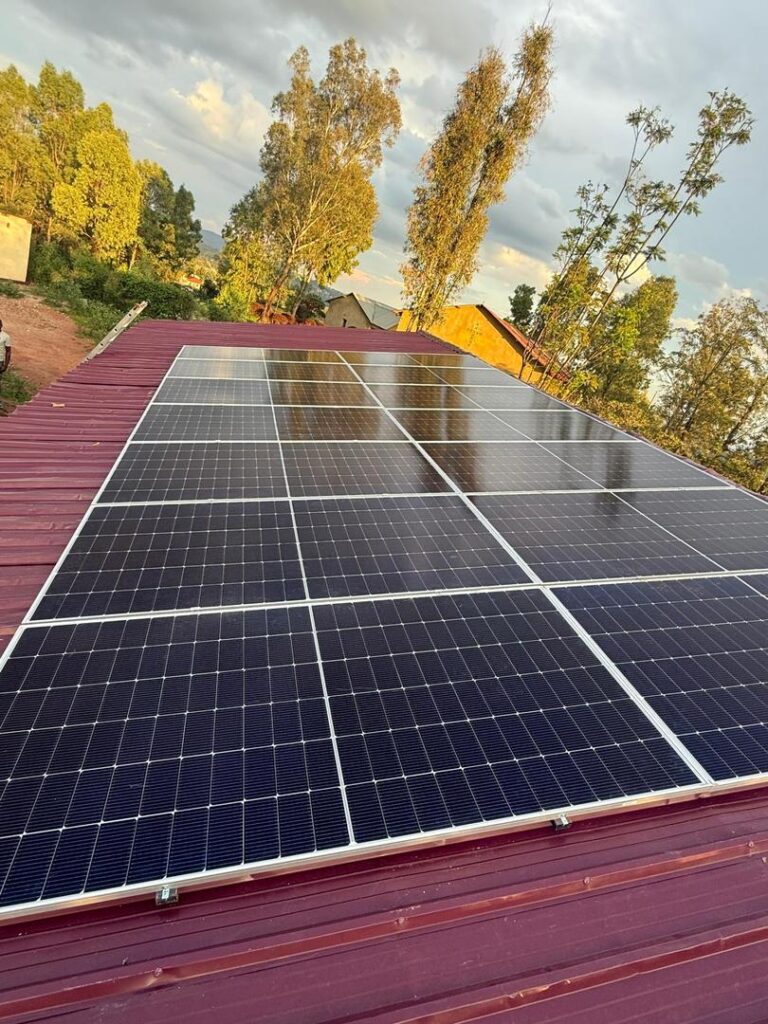
Each facility was equipped with an 8.26 kWp Solar Photovoltaic (PV) System, a 20.48 kWh Battery Energy Storage System (BESS), Deye Hybrid Inverters, and a combination of roof-mounted and standalone solar structures designed to maximize energy generation and system performance. The project delivers a total installed capacity of 82.6 kWp Solar PV Capacity, with a 204.8 kWh Battery Energy Storage Capacity. Together, these systems provide a dependable source of renewable energy capable of supporting critical healthcare operations while reducing dependence on unreliable grid power and costly backup generators.
Many healthcare facilities face challenges related to power outages, voltage fluctuations, and limited access to reliable electricity. These challenges can negatively impact patient care, disrupt medical services, and increase operational costs. The newly installed solar energy systems were designed to address these issues by providing: Reliable electricity throughout the day, backup power during outages, enhanced energy security, improved operational efficiency, and reduced energy costs
Reliable electricity has a direct impact on the quality of healthcare services. The solar installations are expected to significantly improve healthcare operations across all ten facilities. Continuous electricity ensures that consultation rooms, treatment areas, maternity wards, laboratories, and emergency departments remain adequately lit at all times. Reliable power is essential for maintaining cold-chain systems used to store vaccines, medicines, and other temperature-sensitive medical supplies. The installed systems help protect these critical resources by reducing the risk of refrigeration failures. Health facilities must remain operational around the clock. The battery storage systems ensure that critical services can continue during nighttime hours and unexpected grid outages. The project not only benefits patients but also improves working conditions for healthcare personnel.
The project contributes to Rwanda’s commitment to sustainable development and renewable energy adoption. By generating clean electricity from solar energy, the installations help reduce dependence on fossil-fuel-based power generation and minimize environmental impact. These benefits support both national and global sustainability objectives while improving access to clean energy in the healthcare sector.
The solar systems also provide long-term financial advantages for health facilities and supporting institutions. Solar energy offsets a significant portion of grid electricity consumption, helping facilities lower their operational expenses. The battery storage systems reduce the need for generator usage, leading to lower fuel and maintenance costs. The systems provide a sustainable source of electricity that will continue delivering value for many years, reducing overall energy expenditure over the lifetime of the installation. Savings achieved through reduced energy costs can be redirected toward improving healthcare services, purchasing medical supplies, and supporting patient care initiatives.
The installation of the 10 solar-powered health facility systems in Rwanda is more than an energy project, it is an investment in healthcare resilience, improved patient outcomes, environmental sustainability, and community development. As demand for reliable and sustainable healthcare infrastructure continues to grow, Aptech Africa remains dedicated to providing high-quality renewable energy solutions that empower institutions and improve lives throughout the continent.