South Sudan’s energy sector faces chronic shortages and heavy reliance on imported diesel generators. In Juba the nation’s capital grid power (provided by City Power) is unreliable, with frequent outages and voltage swings. To ensure continuous power for a key community facility (serving 32 people), Aptech Africa commissioned a hybrid solar–battery system. The rooftop installation harnesses abundant local sunshine while keeping existing grid and a diesel generator as backup. This approach dramatically reduces diesel use and fuel expense, improves power quality, and cuts noise and emissions.
Technical Specifications
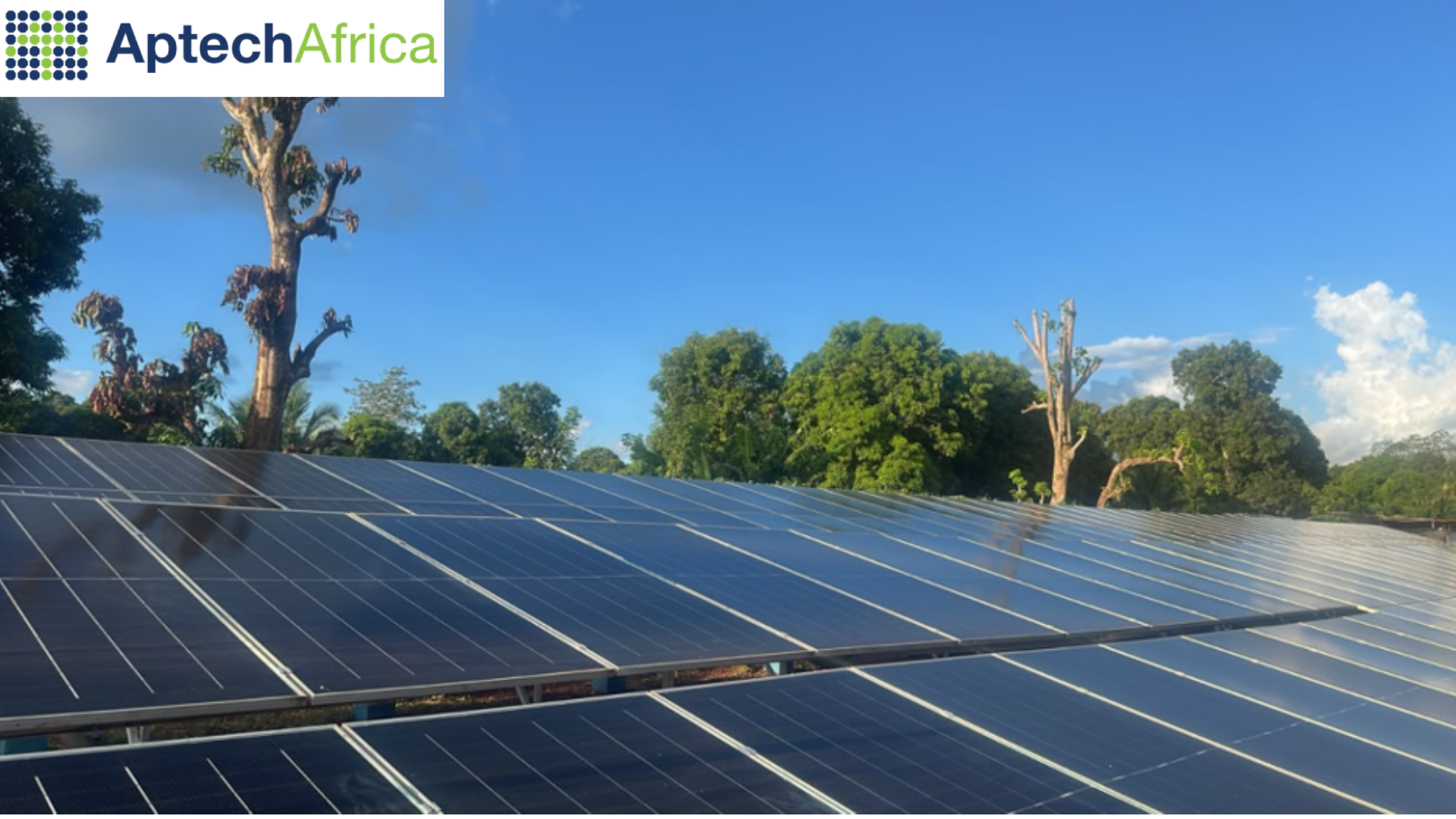
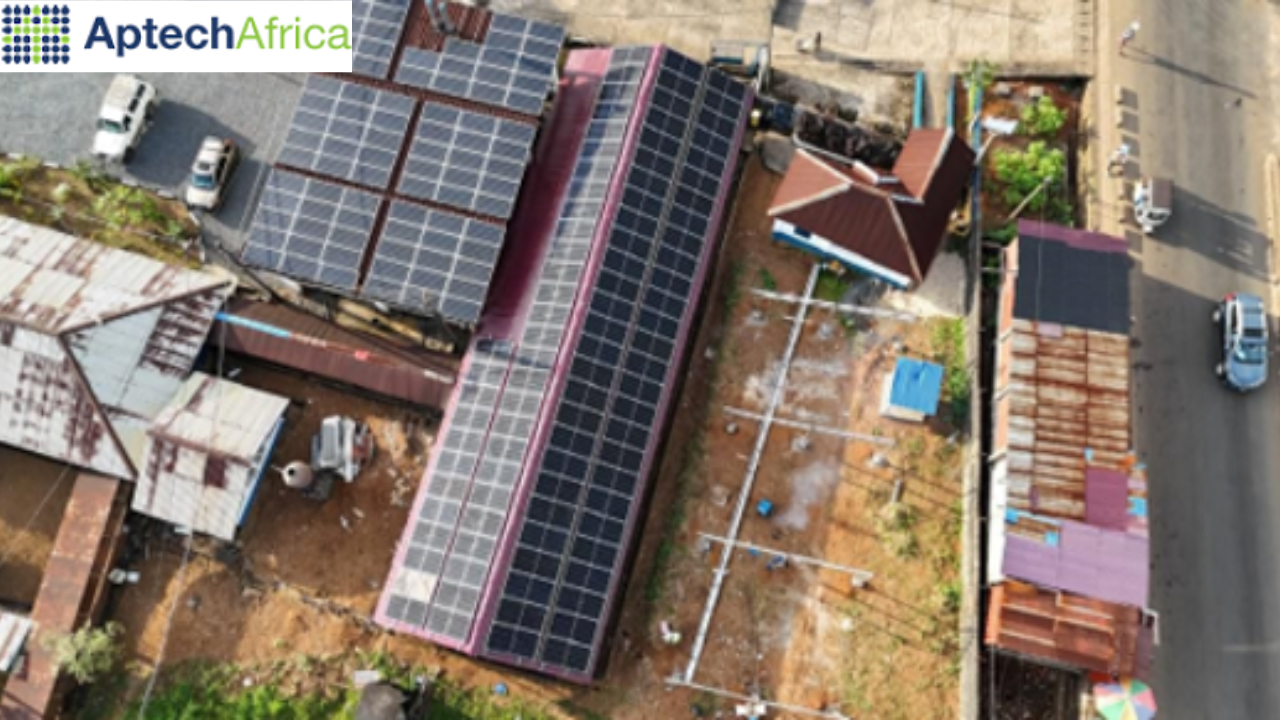
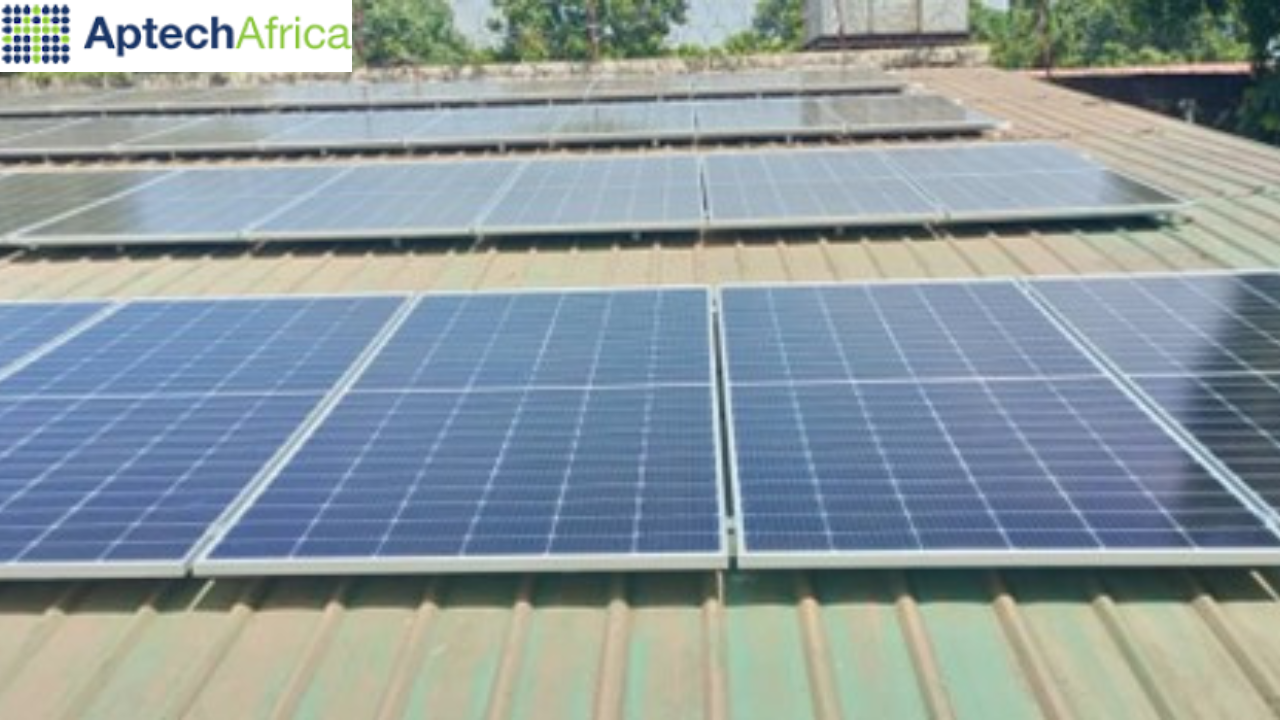
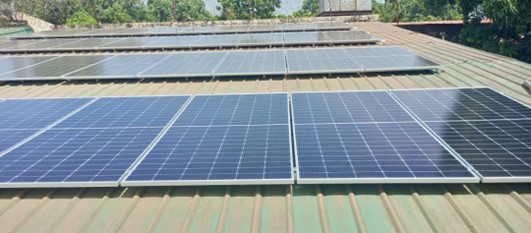
- Solar PV Array (44.4 kWp): The system uses high-efficiency PV modules arranged on the rooftop. At peak output (44.4 kW), the panels supply power directly to the building load or charge the battery.
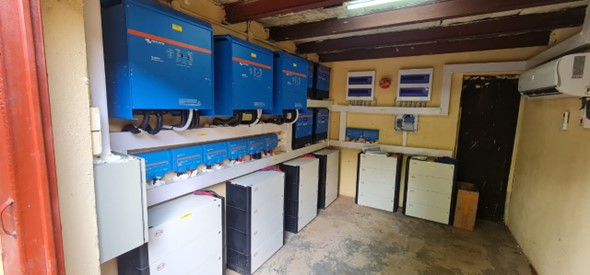
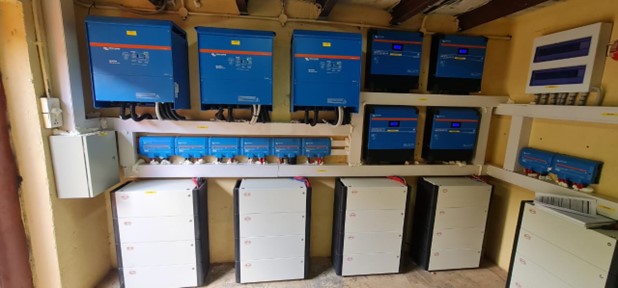
- Battery Storage (100 kWh Li-ion): A 100 kWh lithium-ion battery bank stores excess solar energy. The battery provides night-time power and short-term backup, smoothing out fluctuations and reducing generator runtime. (Lithium-ion was chosen for high cycle life and efficiency, as in similar projects.)
- Inverters/Chargers (Victron Energy): Victron hybrid inverter/chargers to handle DC↔AC conversion. These support parallel operation and seamless switching between energy sources. In normal operation, solar and battery power are fed through the Victron inverters to the AC loads. When solar output is low, the inverters draw from the battery or automatically connect to City Power/grid as needed. If both solar and grid are insufficient, the system can automatically start the diesel generator as a tertiary backup. (Victron Quattro 48V/10 kVA inverters were successfully used in a recent Juba residential project.)
Energy Management & Monitoring: A Victron Cerbo GX communication hub collects real-time data on battery state-of-charge, solar generation, load consumption and system health. Through the Victron Remote Management (VRM) portal, operators can view live performance, receive alerts, and adjust settings remotely. This ensures optimal operation (e.g. programming generator auto-start conditions) and quick troubleshooting.
Challenges
- Grid Instability: The City Power grid in Juba often exhibits voltage fluctuations and outages. Integrating the hybrid system required robust over/under-voltage protection and synchronization hardware to prevent damage during grid faults. These protections were carefully configured in the Victron inverters.
- Logistics and Climate: Transporting equipment into South Sudan can be difficult. High temperatures and dust necessitated extra cooling and filtration for electronics. (In one similar project, pre-assembled containerized systems were used to cut on-site time; here we opted for on-site assembly with climate-hardened components.)
- Community Coordination: Working in an operational facility required scheduling work during low-occupancy hours to minimize disruption. Communication with local utility technicians ensured safety during tie-in to City Power.
- Maintenance Training: To ensure sustainability, local technicians were trained on Victron system operation and preventive maintenance. The use of the Cerbo GX and VRM portal greatly aids ongoing monitoring and troubleshooting without needing frequent site visits.
Impact and Benefits
- Reliable Power for 32 People: The hybrid system now provides nearly continuous electricity for the facility’s 32 residents/staff. Outages have been virtually eliminated; backup grid or generator kicks in seamlessly only when needed.
- Fuel and Cost Savings: Generator run-time has dropped dramatically. Early estimates suggest a monthly diesel fuel reduction similar to other projects of this scale[3]. Lower fuel consumption directly cuts operating costs and frees budget for other needs.
- Environmental Improvement: With the generator used sparingly, air pollution and noise have been greatly reduced. As one report notes, switching from diesel to solar-battery backup “provides a clean environment from the generator noise pollution and greenhouse gases”.
- Data-driven Operation: The Cerbo GX/VRM system supplies detailed performance charts (e.g. solar kWh per day, battery SOC graphs), enabling informed decisions. For instance, production data can guide the scheduling of large loads or future capacity expansion.
- Health & Productivity: Uninterrupted power supports critical activities (computers, lighting, refrigeration, etc.). Staff can work evening shifts or run small enterprises without fear of blackout. Overall, the project exemplifies how even a modest hybrid system can transform daily life for dozens of people.