Access to clean and reliable water is one of the most important foundations of healthy and sustainable communities. Water is essential not only for drinking and domestic use but also for cooking, personal hygiene, sanitation, and other daily activities. However, in communities where water infrastructure and electricity supply are limited or unreliable, accessing sufficient water can become a daily challenge for households.
Aptech Africa implemented a solar-powered water supply system in Hai Matar Community, Malakal, South Sudan. The project combines solar photovoltaic (PV) technology, water pumping equipment, backup battery storage, water treatment, storage infrastructure, and an extensive distribution network to improve access to water for residents.
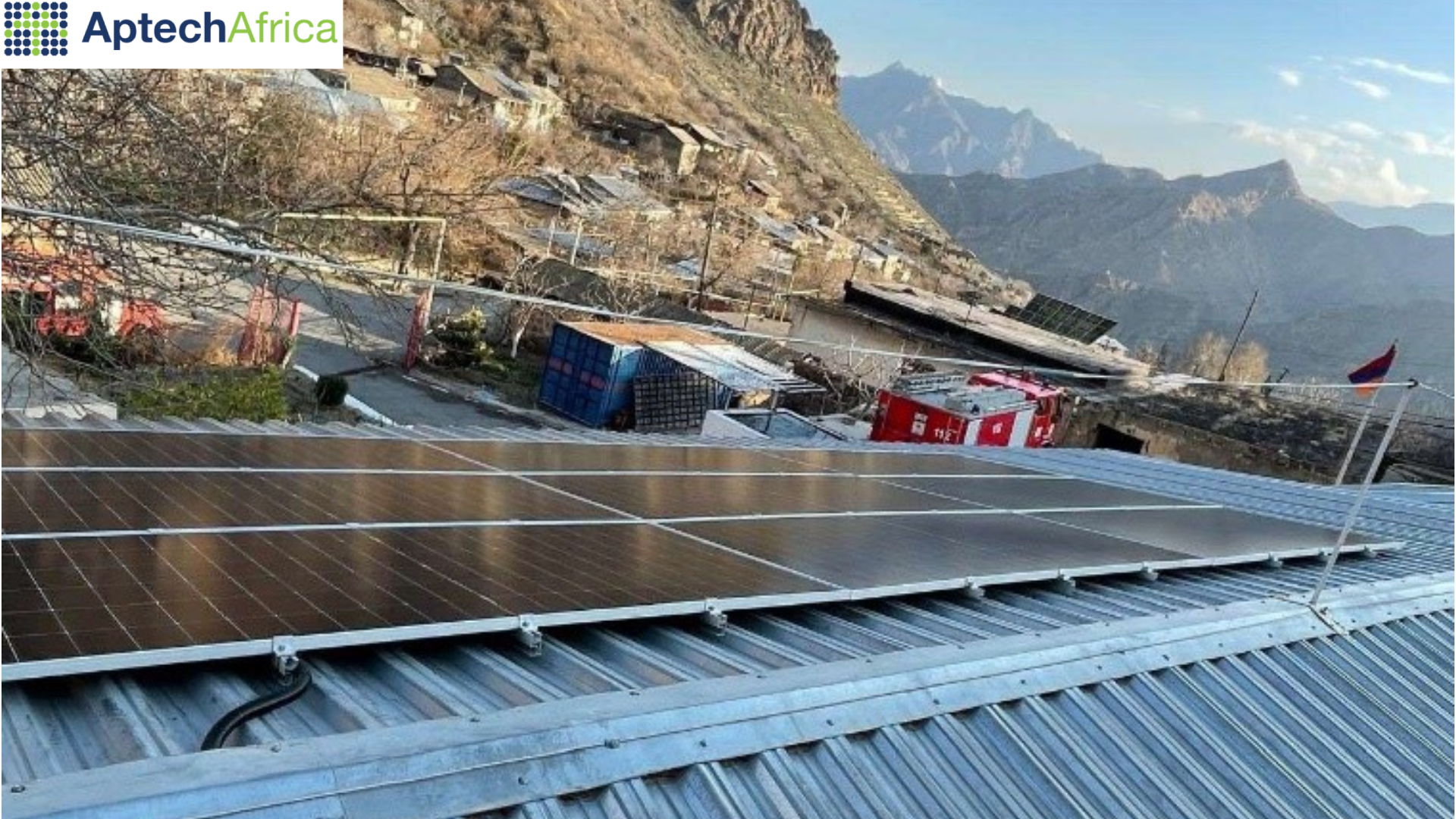
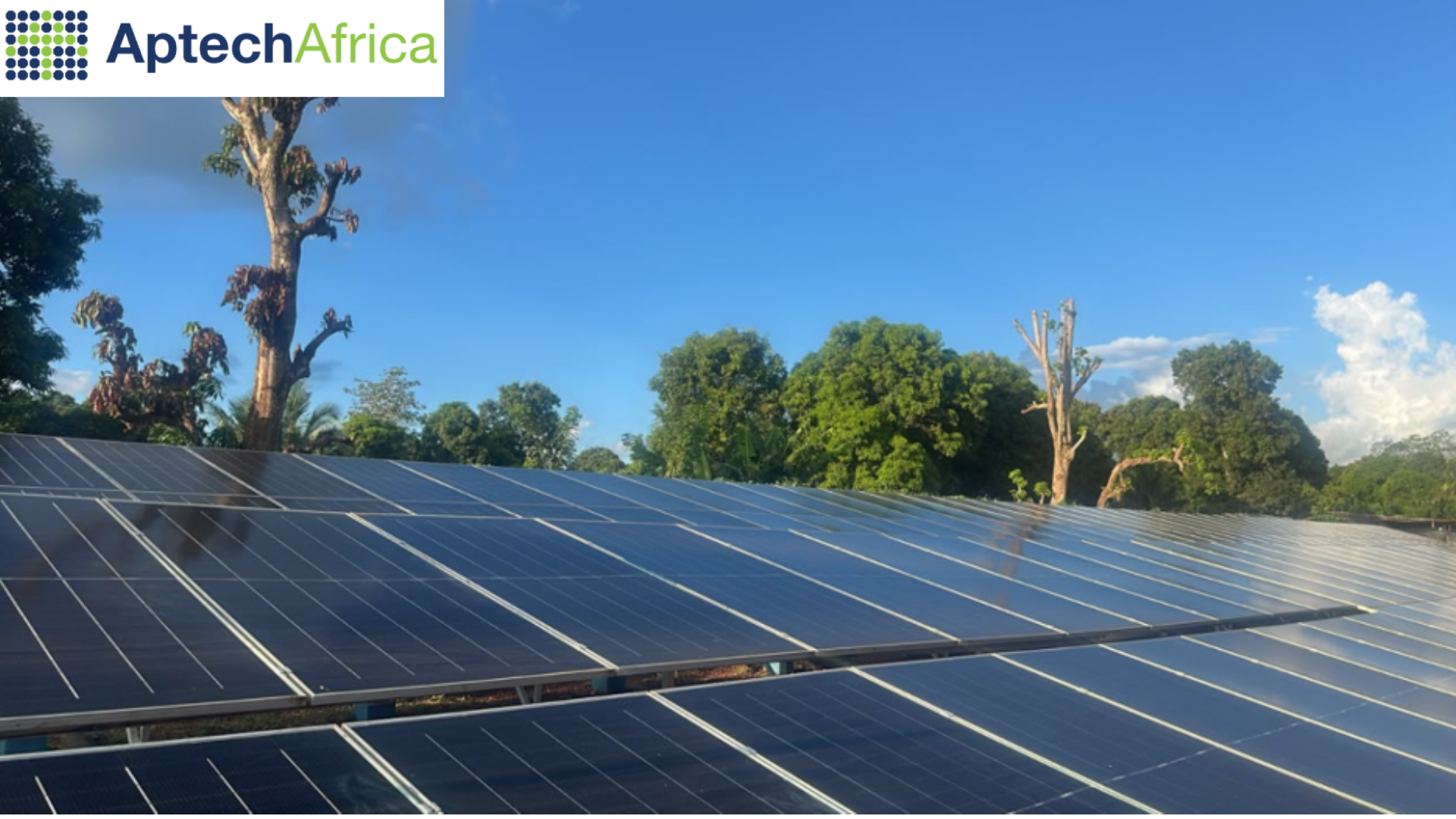
The system begins with a ground-mounted solar PV array that generates electricity from sunlight. This electricity supports the operation of the water pumping equipment, helping move water through the treatment and storage infrastructure before it is distributed to the community.
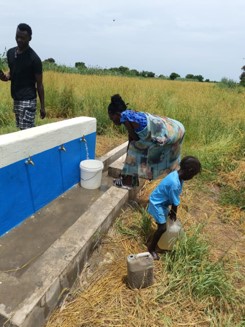
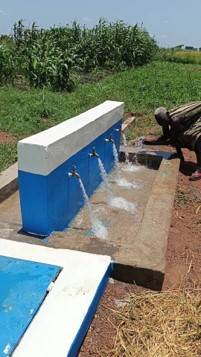
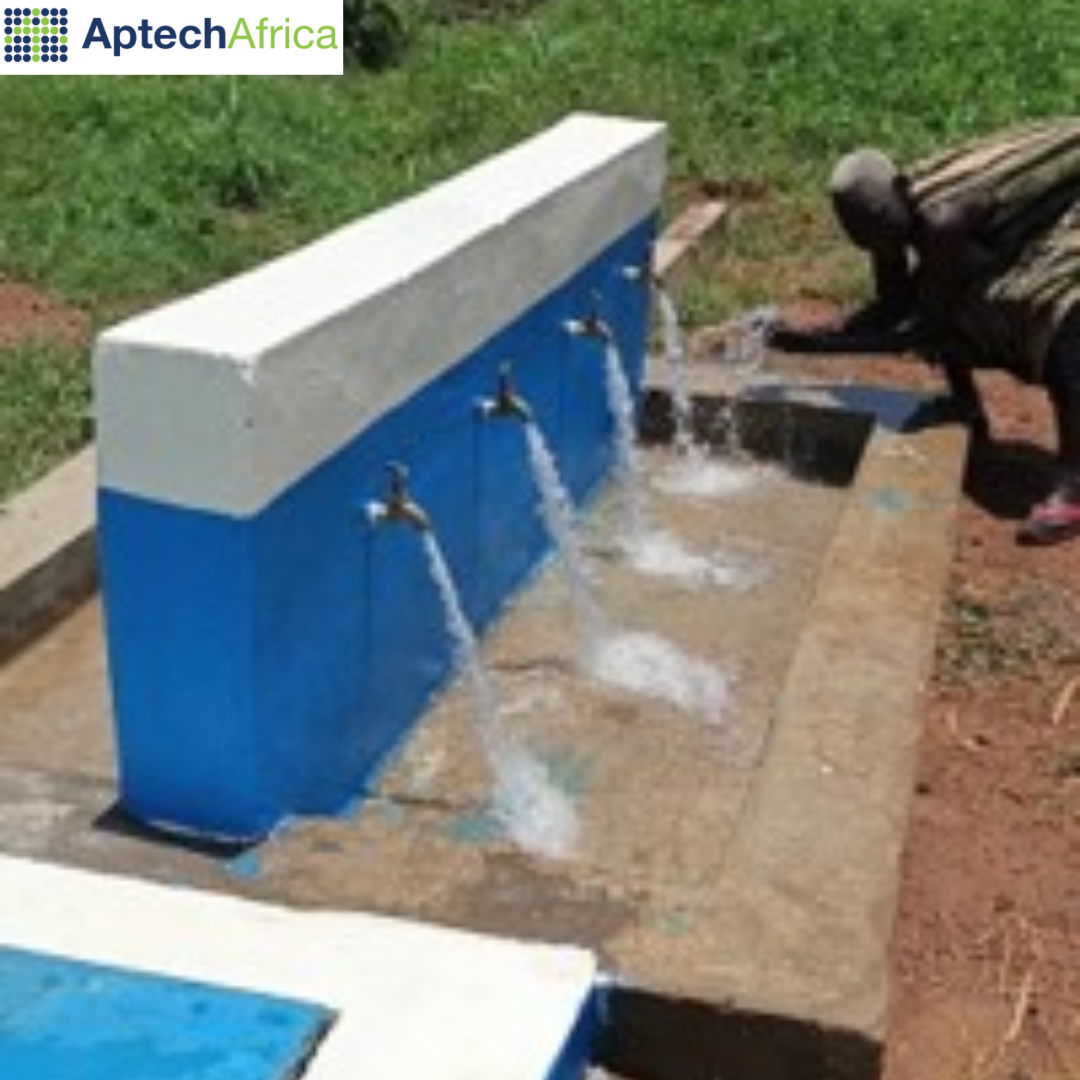
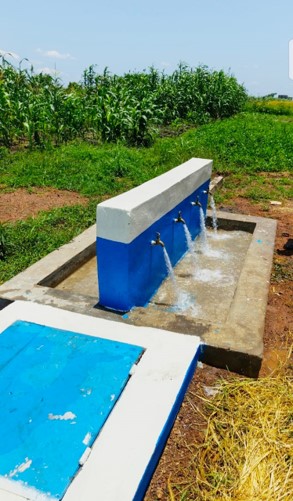
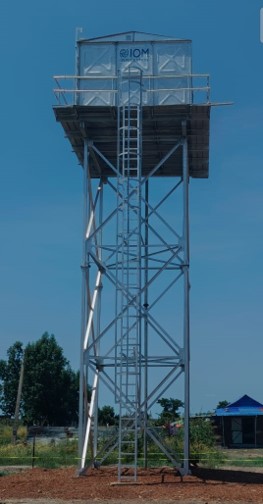
The installation also incorporates a backup power arrangement comprising a Deye inverter and lithium battery storage. The project comprises the following major components: 22.11 kWp solar photovoltaic installation, ground-mounted solar structure, CM 25-4 A-R-A-E-AQQE F-A-A-N booster pump, 11 kW RSI (Renewable Solar Inverter) for pump operation, 12 kVA Deye inverter with lithium battery storage, specified in the project details as 3_5 kWh, a mini water treatment system, 32 m³ steel storage tank installed at a height of 10 meters, approximately 3,650 meters of pipeline, six water points each equipped with eight taps providing 48 taps in total, and street and security lighting.
One of the primary benefits of the project is the provision of a more organized and accessible water supply system for Hai Matar residents. The six water points and 48 taps provide multiple designated locations where community members can collect water. This is particularly important in communities where access to convenient water sources may be limited. A water storage facility can only benefit households if water can reach the places where people need it. To address this, the Malakal project includes approximately 3,650 meters of transmission and distribution pipeline connecting the water infrastructure to the community collection points.
For households, improved access can reduce the time and effort associated with obtaining water. This can make daily activities such as cooking, cleaning, washing, and maintaining personal hygiene easier to manage. Regular access to an appropriately treated water supply can support activities such as handwashing, bathing, cleaning utensils, washing clothes, and maintaining sanitary household environments. The inclusion of street and security lighting adds another dimension to the project’s community impact. Adequate lighting around water collection facilities can improve visibility and help residents navigate the designated areas during periods of low natural light. This is particularly relevant for households that may need to access water during early morning or evening hours.