Hospitals in Nigeria often suffer from unreliable grid power. Nearly 43% of Nigerians – mostly in rural areas – have no grid access. Public health facilities frequently rely on expensive diesel generators or suffer blackouts. One survey noted that only about 30% of health centers in low/middle-income countries enjoy reliable electricity. Chronic power shortfalls force facilities to postpone critical care (surgery, refrigeration, lighting) and inflate costs. In this context, solar energy offers a cleaner, more reliable power source. As the client Nigeria observed, switching to solar gave communities “better, more sustainable access to critical medical devices, medication and infrastructure”.
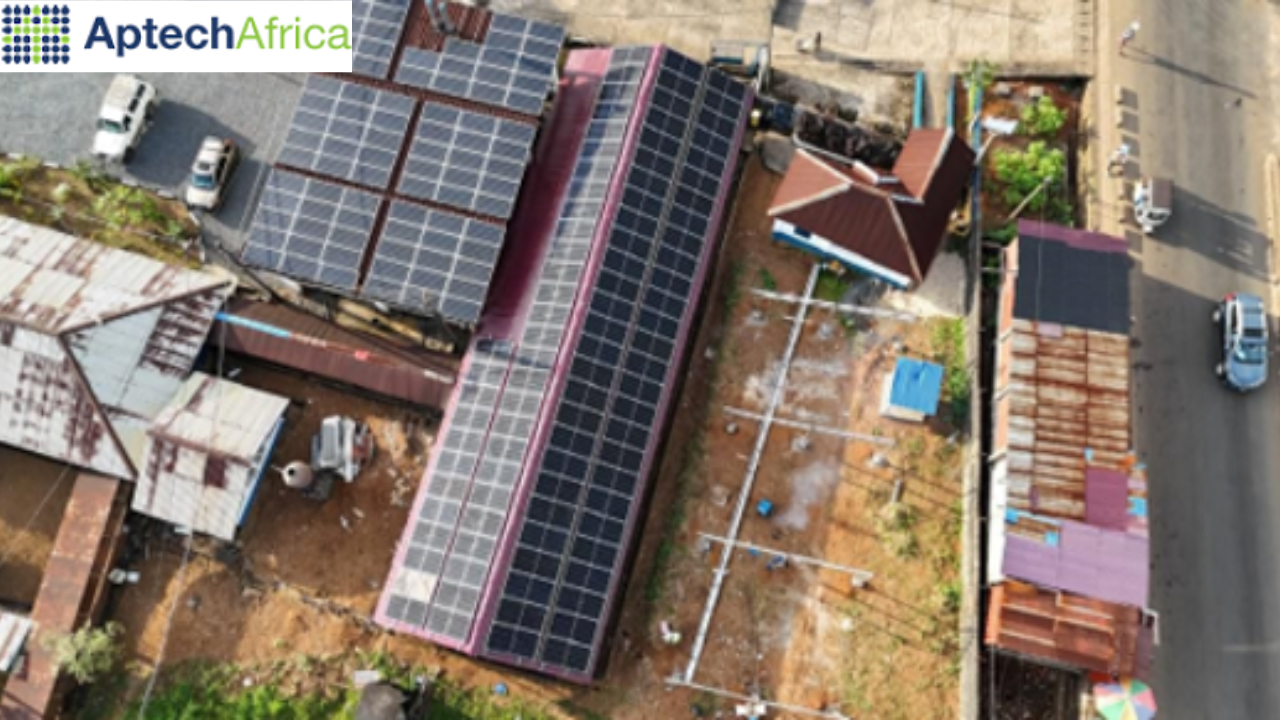
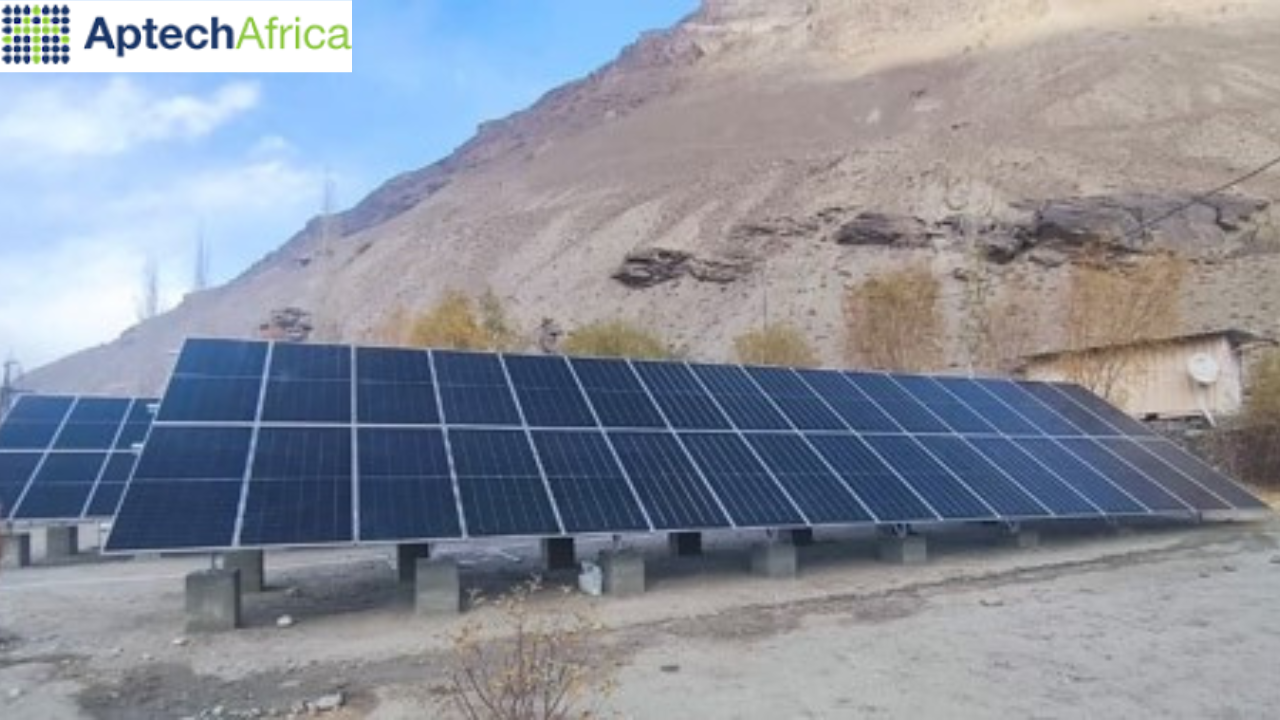
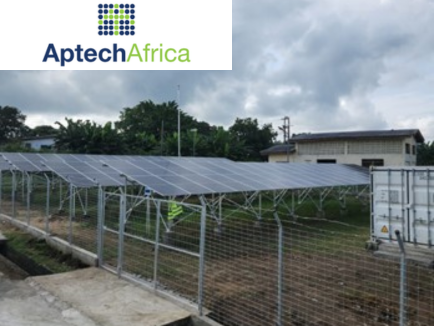
To address these gaps, a project was launched in 2025 to install two identical hybrid solar PV systems – one at Azare General Hospital (Bauchi State) and one at Calabar Medical Center (Cross River State). Each system has an 81.03 kWp ground-mounted PV array, a 143.36 kWh battery storage bank, and integrates with the local utility grid and backup diesel generator. Key stakeholders included the hospitals and health authorities (beneficiaries), the engineering team (project developer), inverter suppliers (Deye Inverters), and local partners (transport, security, etc.). Together they aimed to ensure 24/7 power for lighting, laboratory equipment, refrigeration and life-support machines.
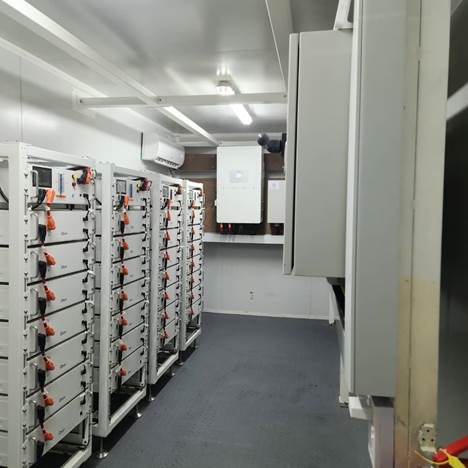
Each hospital’s system uses high-efficiency PV panels on fixed steel frames. The 81.03 kWp array can produce roughly 400 kWh of electricity on a sunny day, covering daytime loads and charging the batteries. A 143.36 kWh lithium battery bank (roughly 2 h of full-load storage) provides reserve power after sunset or during grid outages. Deye hybrid inverters manage flows between the panels, battery, grid and generator. These inverters are connected to a remote monitoring platform that continuously reports power output, voltage, current and energy production. Manufacturers highlight that such monitoring offers “24 hour remote monitoring” and alerts for any tampering or faults. In practice, system controllers automatically balance inputs: solar feeds local loads first, excess charges the battery, and the grid or genset supplements as needed. This hybrid arrangement means the hospitals can draw on solar during the day, switch to battery at night, and still use the grid or generator as backup.
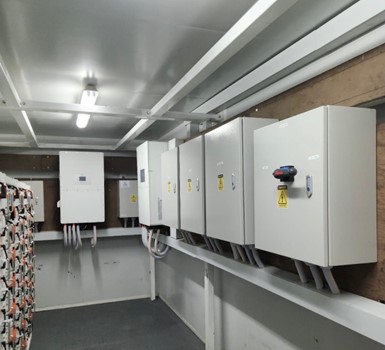
After installation, field engineers test all connections and configure the Deye system. The remote monitoring portal is set up so engineers in any location can view performance. As one engineer noted, integration of such monitoring means staff “don’t have to worry about any break down. A battery-backed system also ensures continuity: as reported from a similar project, the battery “ensures hospital operations continue smoothly at night and during extended periods of cloud coverage”. In short, the design combines solar, storage, grid and generator into a unified power scheme to keep critical care running without interruption.
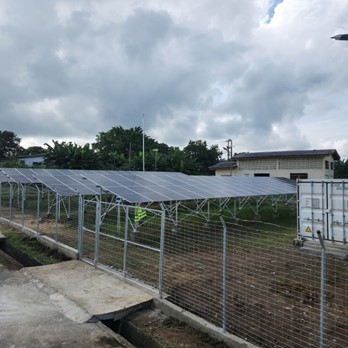
Despite careful planning, field implementation faced hurdles common in remote projects. For example, Nigerian solar developers report that customs clearance delays often push timelines out. Indeed, our equipment shipments sat at port longer than expected, so the team had to coordinate closely with customs officials for frequent updates. Similarly, the remote locations of Azare and Calabar posed logistics issues: both sites are far from major ports or airports, and poor road infrastructure complicated transport of bulky panels and hardware. In practical terms, specialized trucks and extra transport legs were needed to reach the sites.
Other challenges arose on site. Local staffing and scheduling constraints meant the installation crew had to adapt work hours and sequences to the hospital’s routine (for example, avoiding critical surgery periods). Security was also a serious concern. Vandalism and theft of solar equipment are well-documented in Nigeria. To mitigate this risk, the project arranged 24/7 security guards during construction and insured the panels. Fortunately, no major theft occurred during the Azare/Calabar installations, but the team remains vigilant.
Despite these obstacles, the installations were completed through close collaboration among engineers, hospital administrators and local contractors. Training sessions were held so hospital maintenance staff could monitor the system and perform basic upkeep.
Outcomes and Benefits
With commissioning finished, both hospitals now have a reliable hybrid power supply. Early results are promising: during the first full week of operation, each system delivered steady power to lights, fans, laboratory equipment and medical devices even when the grid faltered. Preliminary data shows the PV arrays producing energy throughout sunny hours and the batteries providing backup overnight. This means hospital staff can perform tasks day and night without generator interruptions.
Healthcare staff are optimistic. One project engineer remarked that, as in past projects, the new systems give the hospital “a stable and reliable energy source”. Doctors expect that uninterrupted lighting and refrigeration will improve patient outcomes (for instance, allowing continuous vaccine cold chains and safer night-time deliveries). As client’s experience illustrates, solar power can be transformative: after one Nigerian hospital went solar, staff reported they could better respond to pediatric emergencies “by being able to better store vaccines” thanks to the reliable electricity. We anticipate similar benefits at Azare and Calabar.
In summary, the Azare and Calabar solar installations demonstrate how renewable energy can underpin better healthcare. This case proves that even in challenging environments, solar-battery systems coupled with the grid and backup generators can ensure 24/7 electricity. The hospitals and their communities stand to reap the benefits through improved services, lower costs and a reduced carbon footprint.