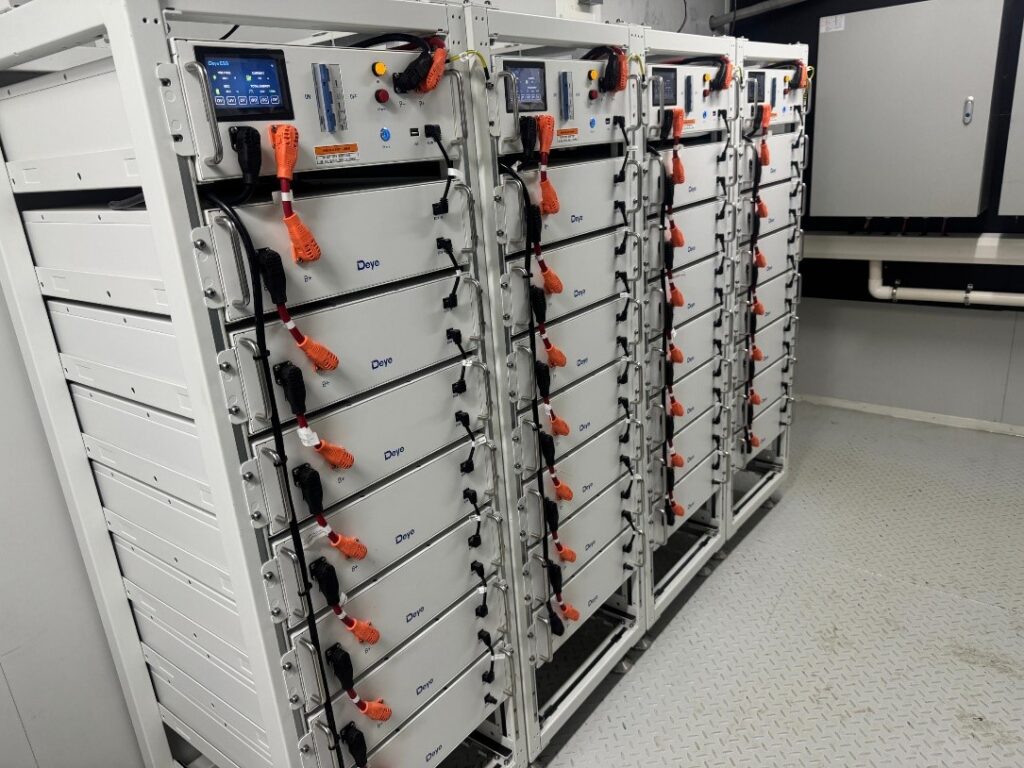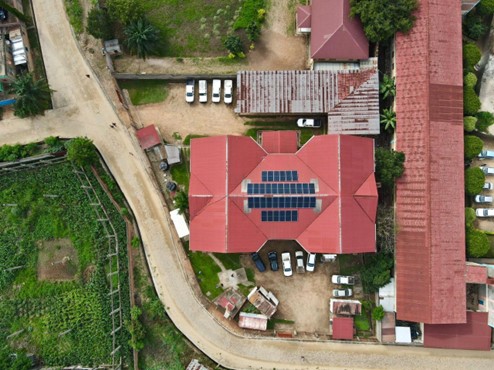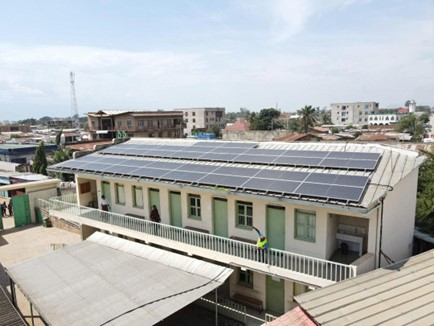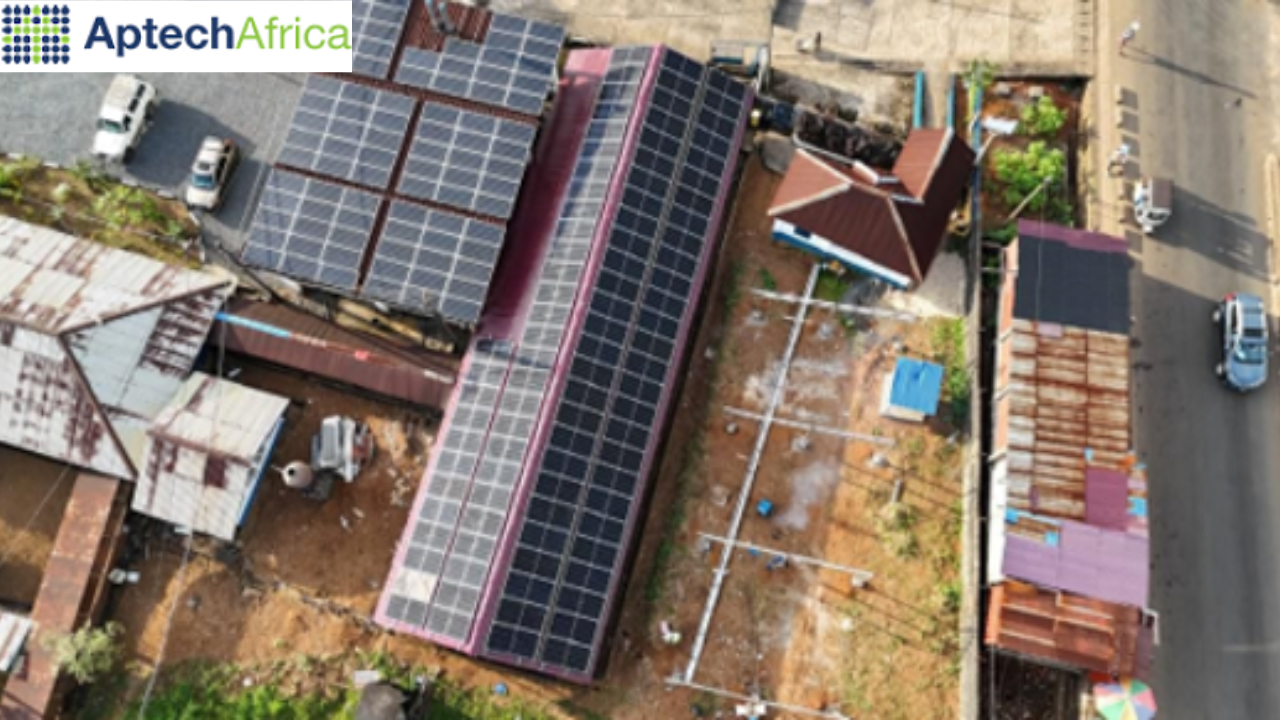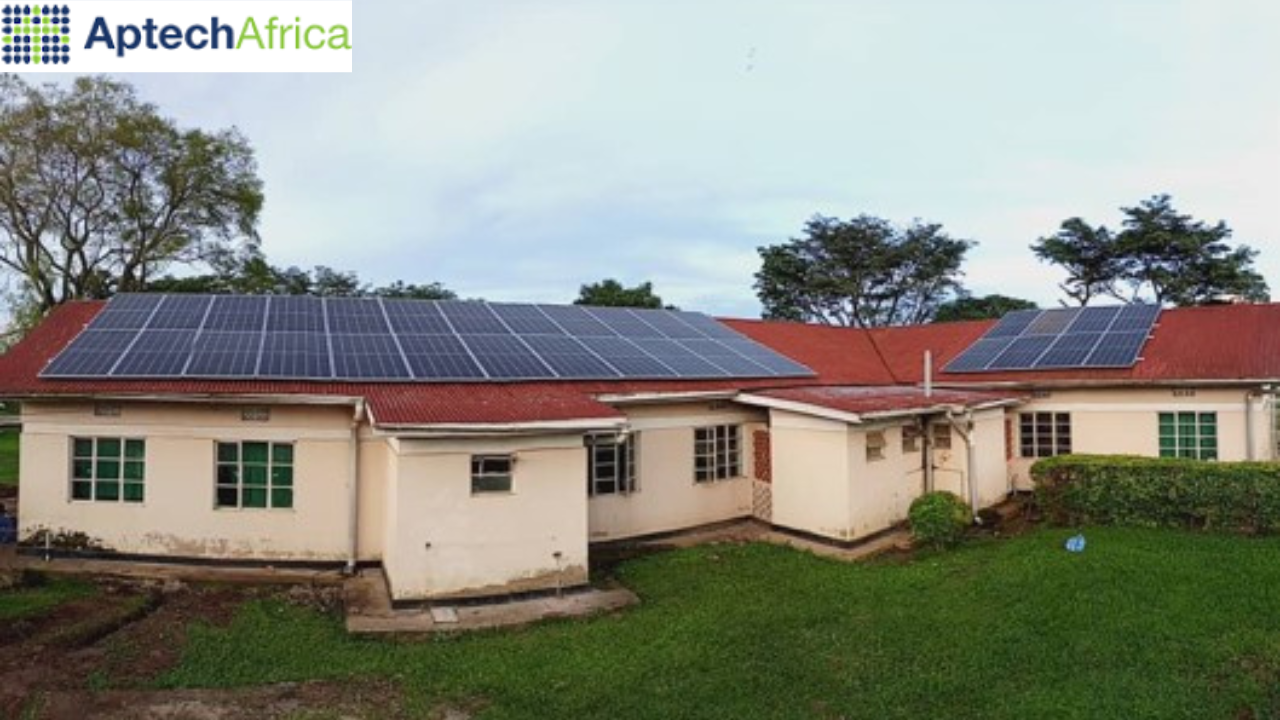
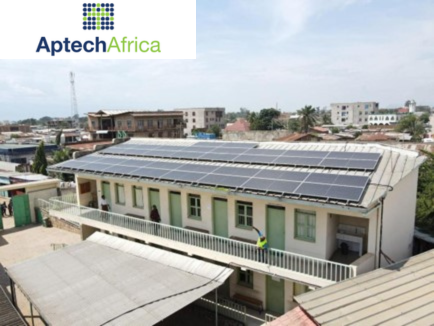
Aptech Africa recently installed five roof‐mounted hybrid solar PV systems in Burundi, providing reliable power to hospitals and social service centers. These installations – at SWAA Burundi (20 kWp PV, 45 kWh battery), ANSS Bujumbura (65 kWp, 140 kWh), Rumonge Hospital (65 kWp, 140 kWh), Nouvelle Espérance (20 kWp, 45 kWh) and Kibumbu Hospital (65 kWp, 140 kWh) using Deye hybrid inverters with Jinko high‑efficiency solar modules and include real-time remote monitoring. Each system delivers about 16–17 hours of backup power daily, meeting 50–90% of the facility’s energy needs. This setup protects critical medical services from outages and cuts diesel generator use, saving costs and reducing CO₂ emissions.
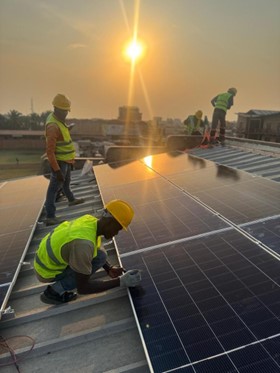
Each system was designed, supplied and commissioned by Aptech Africa and includes inverter, cabling, protections and staff training. All installations use Deye hybrid inverters with Deye batteries and Jinko solar panels. A remote monitoring system (Alpha ESS IoT dashboard) was added on each site for real-time tracking of power output, voltage/current, and system health. These digital tools help local technicians and managers detect issues early and ensure long-term reliability.
The impact on Burundi’s health and social services has been dramatic. Hospitals like Rumonge and Kibumbu now have continuous power for surgeries, lab tests and vaccine refrigeration. Health analysts note that “when electricity fails, patient care is put at risk,” so these installations mean patient care can continue uninterrupted. Community centres (SWAA Burundi and Nouvelle Espérance) also benefit: reliable lighting and internet support daily operations, education and communication programs. Across the five sites, the solar systems are cutting diesel use and fuel costs, freeing up budget for medicines and staff while also reducing greenhouse emissions.
Before these projects, fewer than 15% of Burundians had grid power (only ~2% in rural areas) and hospitals often relied on expensive diesel (up to US$10–13/L on the black market). By supplying 640 kWp of solar PV and 1,545 kWh of storage across 14 health facilities nationwide, UNDP estimates an annual reduction of ~548 tonnes of CO₂. The five hybrid systems described here contribute a significant share of that impact, ensuring clean, affordable energy for essential health services.
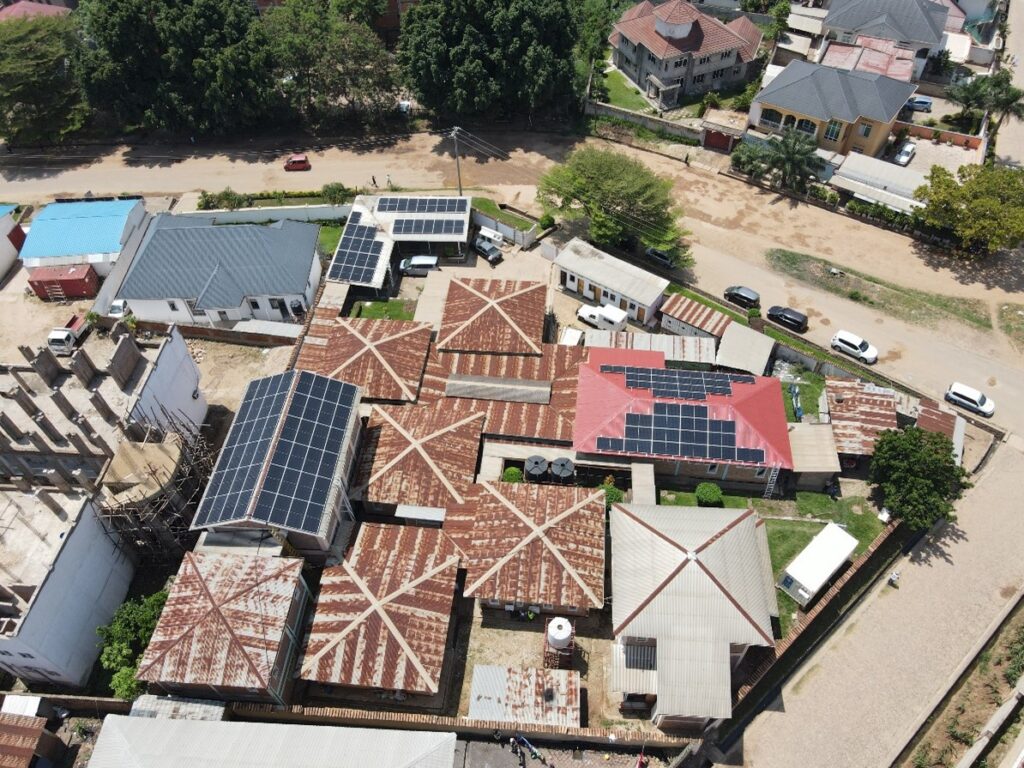
These projects not only strengthen Burundi’s healthcare network but also build local capacity. Staff were trained on maintenance and the use of the remote monitoring platform, ensuring sustainability. In sum, the five hybrid solar installations deliver reliable, 24/7 power to critical facilities, lower operating costs, and improve patient care, a clear win for people and the environment.